Advanced Wound Care Treatment in Phoenix, Arizona: When Should You Seek Help in 2026?
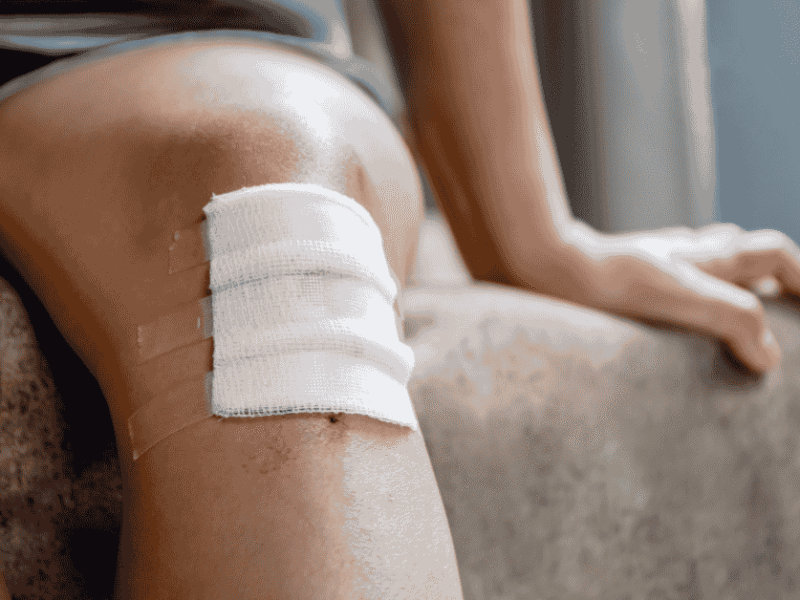
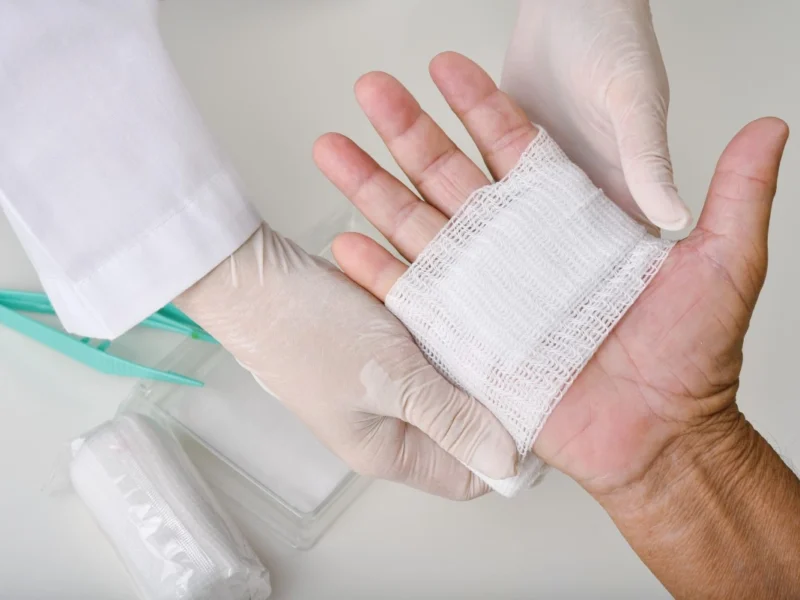
Wounds are a common part of life, but some wounds take much longer to heal and may become serious without proper medical care. In 2026, advanced wound care treatment is becoming increasingly important for patients dealing with chronic wounds, diabetic ulcers, infections, and slow-healing injuries. Many people ignore wounds that do not heal properly, assuming … Read More
Read More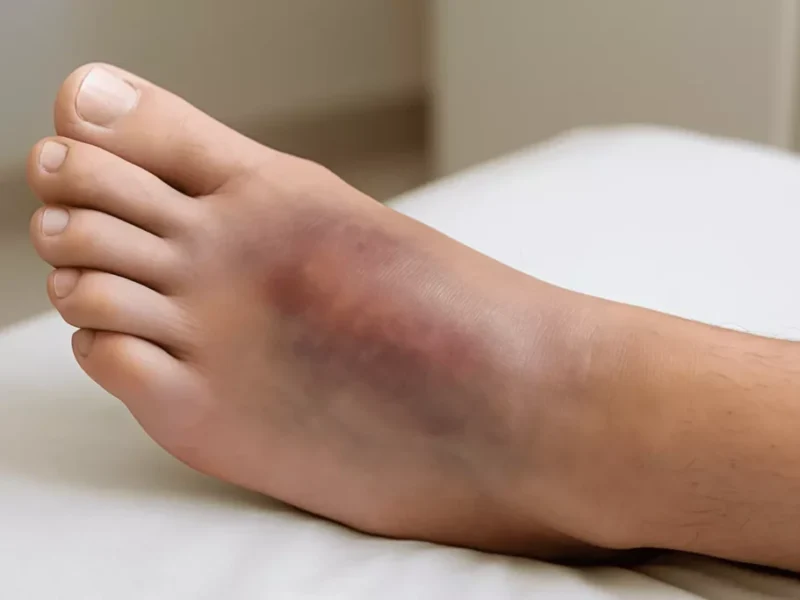
Diabetic Foot Ulcer Treatment in Phoenix: Early Care Can Save Your Feet
Diabetes can affect many parts of the body, but foot health is one of the most overlooked concerns. Even a small wound or blister can quickly become a serious infection if left untreated. This is why seeking professional Diabetic Foot Ulcer Treatment in Phoenix as early as possible is critical for preventing complications and protecting … Read More
Read More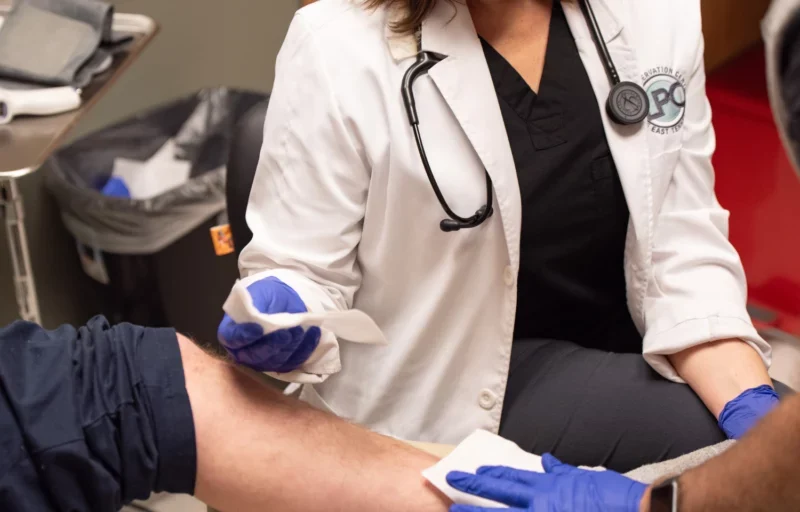
Advanced Wound Care in Phoenix: Treatments That Help Chronic Wounds Heal Faster
Chronic wounds are a significant medical concern for many individuals in Phoenix, especially those living with diabetes, poor circulation, or long-term health conditions. Unlike normal wounds, chronic wounds do not heal within the expected timeframe and often require specialized medical attention. Advanced Wound Care in Phoenix focuses on treating wounds that are slow to heal … Read More
Read More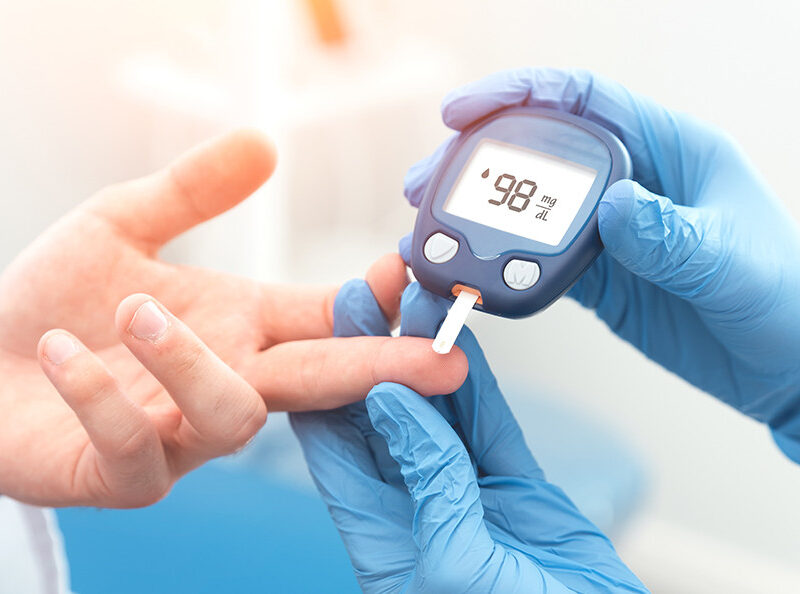
Why Diabetic Wound Care in Phoenix Matters More Than You Think
Diabetes is a long-term health condition that affects millions of people every year. While most people focus on blood sugar management, one of the most serious complications of diabetes is slow wound healing. A small cut, blister, or scrape that may heal quickly for another person can become a serious medical issue for someone with … Read More
Read More
The Connection Between Poor Circulation and Non-Healing Wounds
Healthy circulation is essential for wound healing. Blood delivers oxygen, nutrients, and immune cells that support tissue repair. When circulation is compromised, wounds may struggle to heal and can become chronic. At Bellagio Wound Care, specialists often treat patients whose wounds are directly linked to poor blood flow. How Circulation Affects Healing Proper blood flow [...] Read More
How to Care for a Surgical Wound at Home (And When to Get Help)
After surgery, proper wound care is essential for preventing infection and supporting a smooth recovery. While healthcare providers give initial instructions, many patients are unsure how to care for their surgical wounds at home. At Bellagio Wound Care, specialists help patients manage post-surgical wounds and address complications when healing does not go as expected. Basic [...] Read More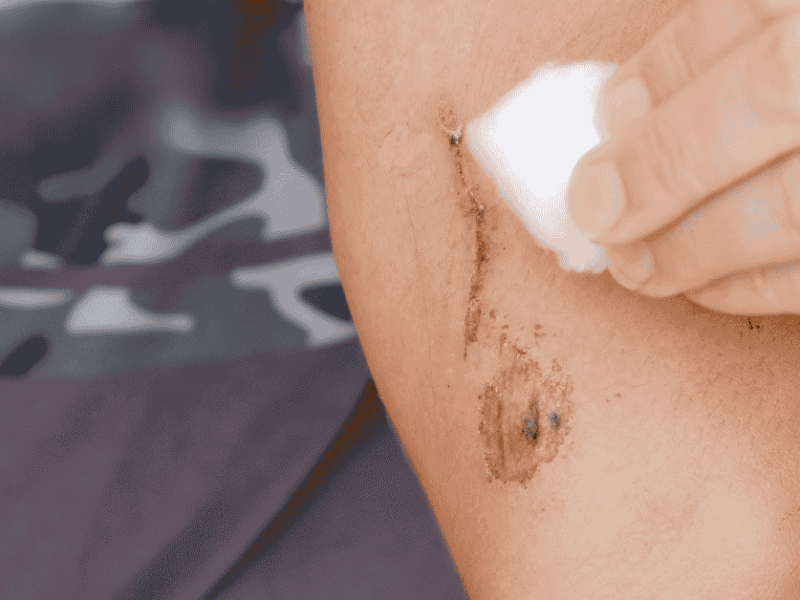
What Happens If You Ignore a Chronic Wound?
It can be easy to dismiss a wound that doesn’t seem serious at first. However, when a wound fails to heal properly, ignoring it can lead to serious health complications. At Bellagio Wound Care, many patients seek care only after their condition has worsened—often after weeks or months of delayed treatment. Understanding the risks of [...] Read MoreAt-Home Wound Care Mistakes That Could Be Delaying Your Healing
Taking care of a wound at home may seem straightforward, but even small mistakes can significantly delay healing or lead to complications. Many patients unintentionally slow their recovery by following outdated advice or improper care routines. At Bellagio Wound Care, specialists often treat wounds that could have healed faster—or avoided complications—if proper care had been [...] Read More
Can You Exercise With an Open Wound? What Patients Need to Know
If you have a wound that is still healing, you may wonder whether it’s safe to stay active. The answer depends on several factors, including the type of wound, its location, and your overall health. At Bellagio Wound Care, specialists often guide patients on how to balance physical activity and proper wound care to support [...] Read More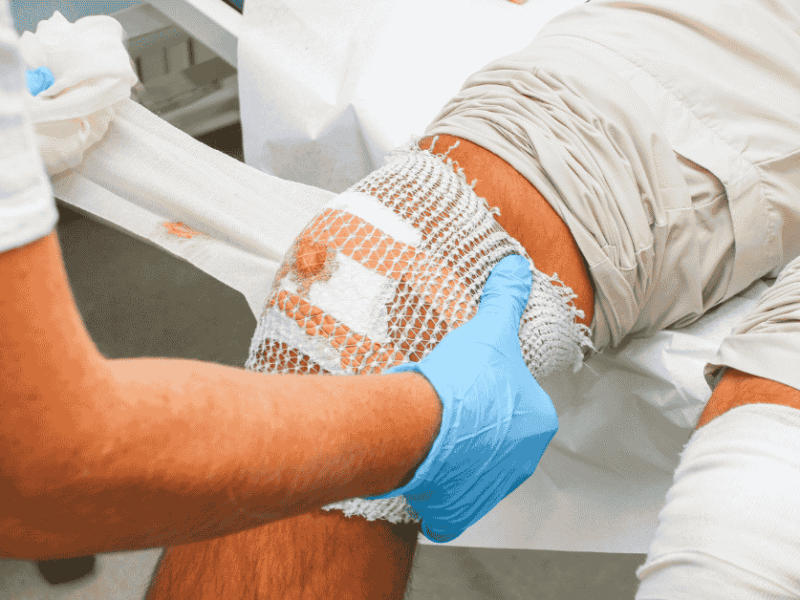
The Psychology of Chronic Wounds: Why Healing Is More Than Physical
Chronic wounds don’t just affect the body—they can also take a significant emotional and psychological toll. Living with a wound that won’t heal can lead to frustration, anxiety, and a reduced quality of life. At Bellagio Wound Care, care goes beyond physical treatment. Specialists understand that emotional well-being plays an important role in the healing [...] Read More
Summer vs. Winter: Does Weather Affect Wound Healing?
Many people don’t realize that weather and seasonal changes can significantly impact wound healing. Temperature, humidity, and environmental conditions all influence how the body repairs damaged tissue. At Bellagio Wound Care, specialists often see seasonal patterns in wound healing—some wounds worsen in extreme heat, while others struggle in colder months. Understanding how weather affects your [...] Read More
How Smoking and Vaping Slow Down Wound Healing
Many people are aware that smoking affects overall health, but fewer realize how significantly it can impact wound healing. Both smoking and vaping introduce substances into the body that restrict blood flow and reduce oxygen levels—two critical components of the healing process. At Bellagio Wound Care, providers often treat patients whose wounds are slow to [...] Read More
The Hidden Role of Nutrition in Wound Healing
When it comes to wound care, most people focus on cleaning and dressing the wound. However, one of the most important factors in healing happens internally—through proper nutrition. At Bellagio Wound Care, specialists recognize that the body needs the right nutrients to repair damaged tissue effectively. Without proper nutrition, even advanced wound treatments may not [...] Read More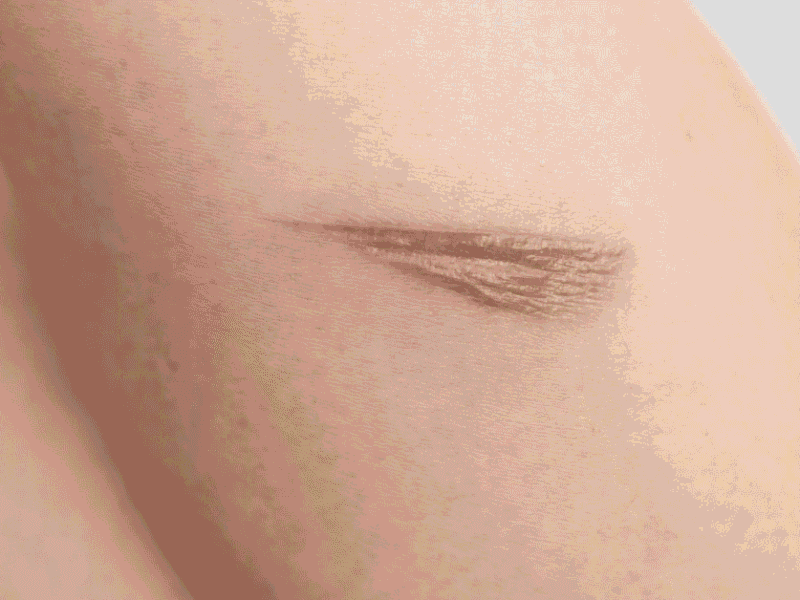
Why Your Wound Looks “Better” But Still Isn’t Healing
It’s a common assumption: if a wound looks smaller, drier, or covered with a scab, it must be healing. But in many cases, appearances can be misleading. A wound may seem improved on the surface while underlying tissue damage or infection continues to delay true healing. At Bellagio Wound Care, specialists frequently treat patients who [...] Read More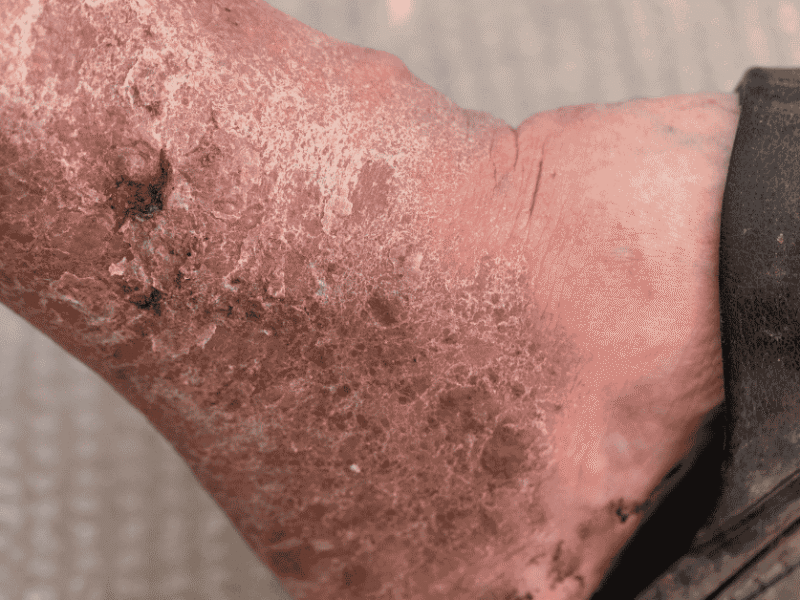
Venous Leg Ulcers: Causes, Symptoms, and Treatment
Venous leg ulcers are one of the most common types of chronic wounds affecting adults, particularly older individuals. These ulcers occur when blood circulation in the legs becomes impaired, preventing wounds from healing properly. At Bellagio Wound Care, specialists frequently treat venous ulcers using advanced wound care techniques designed to improve circulation and support healing. [...] Read More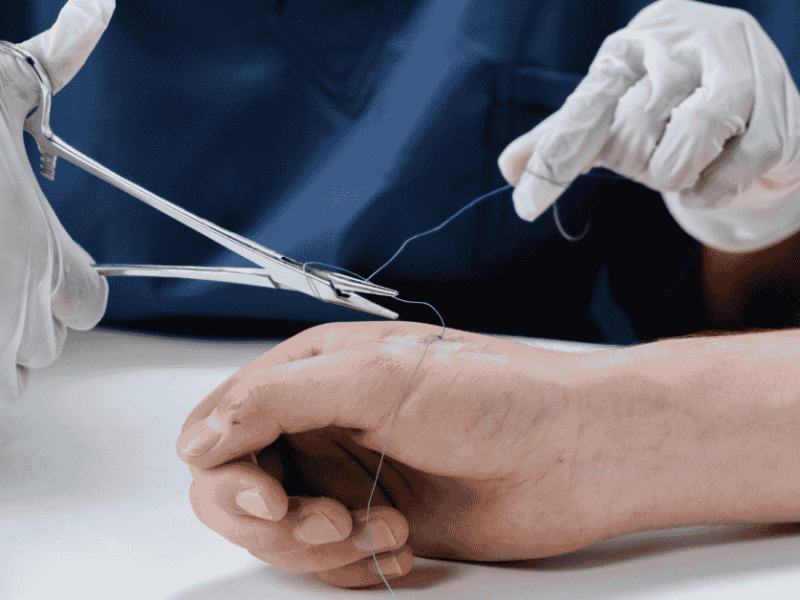
When Should You See a Wound Care Specialist?
Many wounds heal naturally with basic first aid and proper hygiene. However, some wounds require more advanced medical attention. Knowing when to seek professional care can help prevent complications and improve healing outcomes. At Bellagio Wound Care, specialists provide evaluation and treatment for wounds that do not heal properly or show signs of infection. If [...] Read More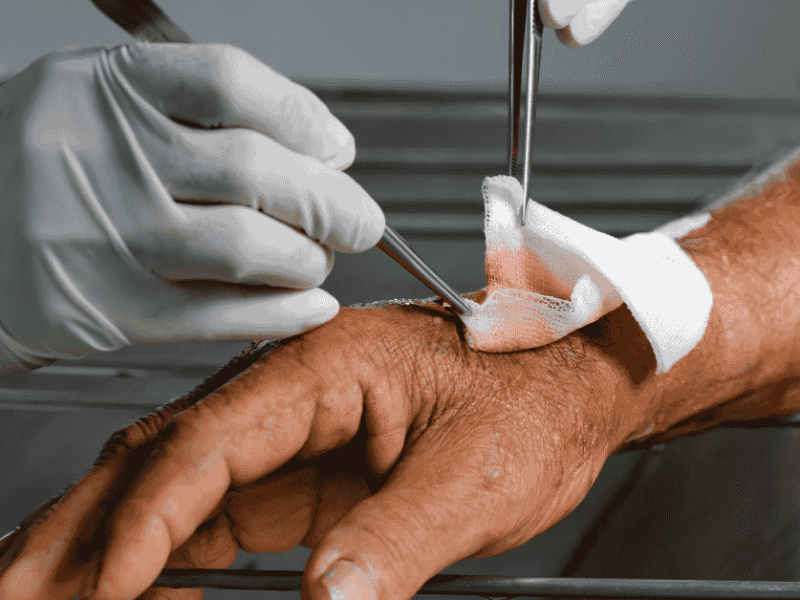
Advanced Wound Care Treatments That Help Wounds Heal Faster
For many people, a wound heals naturally with time and basic care. However, when a wound becomes chronic or complicated, traditional treatments may not be enough to support proper healing. Advanced wound care treatments are designed to help the body recover when normal healing processes have slowed or stopped. At Bellagio Wound Care, specialists use [...] Read More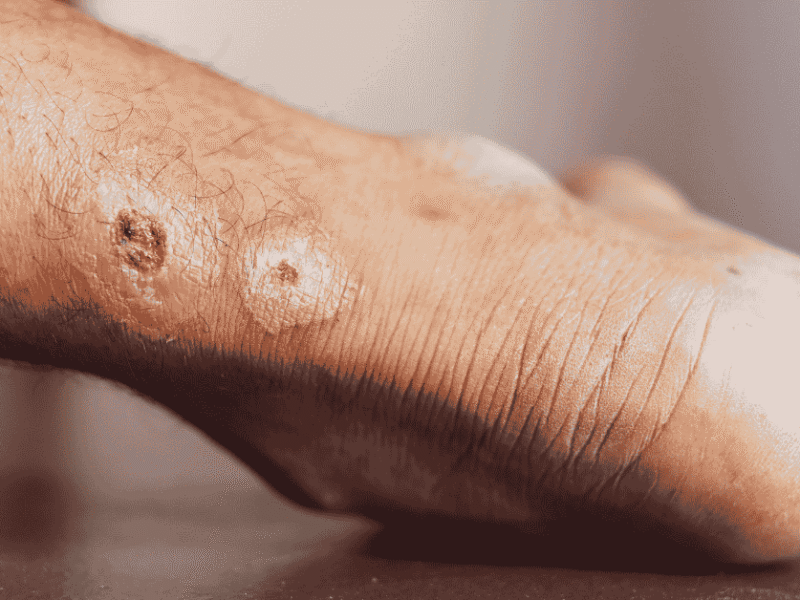
Pressure Ulcers (Bedsores): Prevention and Treatment
Pressure ulcers, commonly known as bedsores, are injuries to the skin and underlying tissue caused by prolonged pressure. These wounds typically develop when blood flow to the skin is restricted for extended periods of time. Pressure ulcers are most common in individuals who have limited mobility, including patients who are bedridden, recovering from surgery, or [...] Read More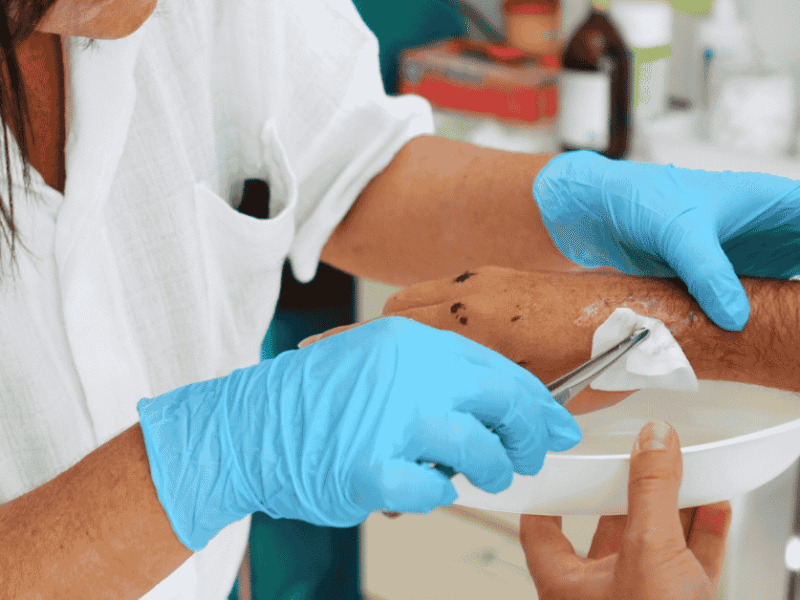
The Importance of Debridement in Wound Healing
When a wound fails to heal properly, one of the most common obstacles is the presence of dead or damaged tissue. This tissue can prevent healthy cells from regenerating and create an environment where bacteria thrive. To support proper healing, medical professionals often perform a procedure known as debridement. At Bellagio Wound Care, debridement is [...] Read More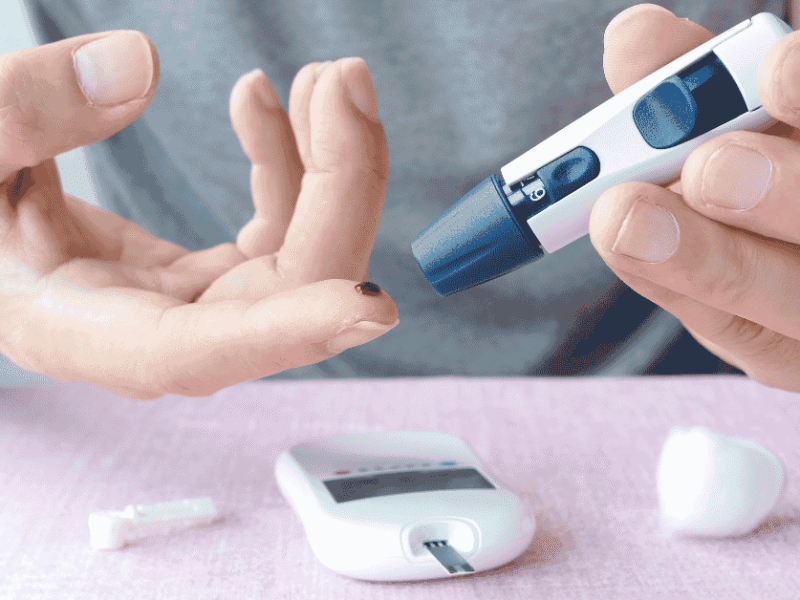
How Diabetes Affects Wound Healing
Diabetes is one of the most common conditions associated with chronic wounds. While many people with diabetes manage their health successfully, high blood sugar levels can affect several systems in the body that are essential for proper wound healing. For this reason, individuals with diabetes are at a much higher risk of developing slow-healing wounds [...] Read More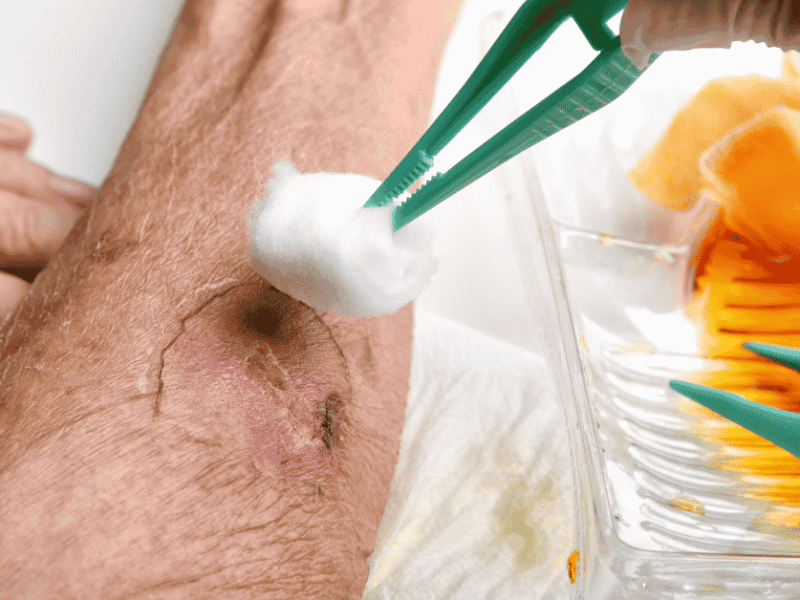
7 Warning Signs a Wound May Be Infected
Wounds are a common part of everyday life, from minor cuts and scrapes to surgical incisions. While most injuries heal without complications, some wounds can become infected if bacteria enter the damaged tissue. Recognizing the early signs of infection is essential for protecting your health. At Bellagio Wound Care, specialists regularly treat infected wounds and [...] Read More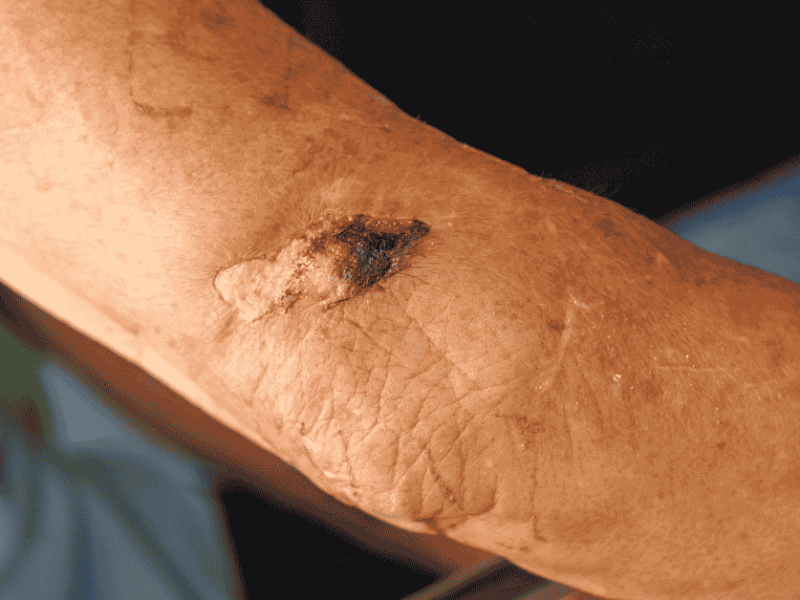
Why Some Wounds Won’t Heal: Understanding Chronic Wounds
Most minor cuts and injuries heal naturally within a couple of weeks. However, for some individuals, wounds linger for weeks or even months without improvement. These are known as chronic wounds, and they often require specialized medical care to heal properly. At Bellagio Wound Care, clinicians frequently treat patients who are frustrated and concerned because [...] Read More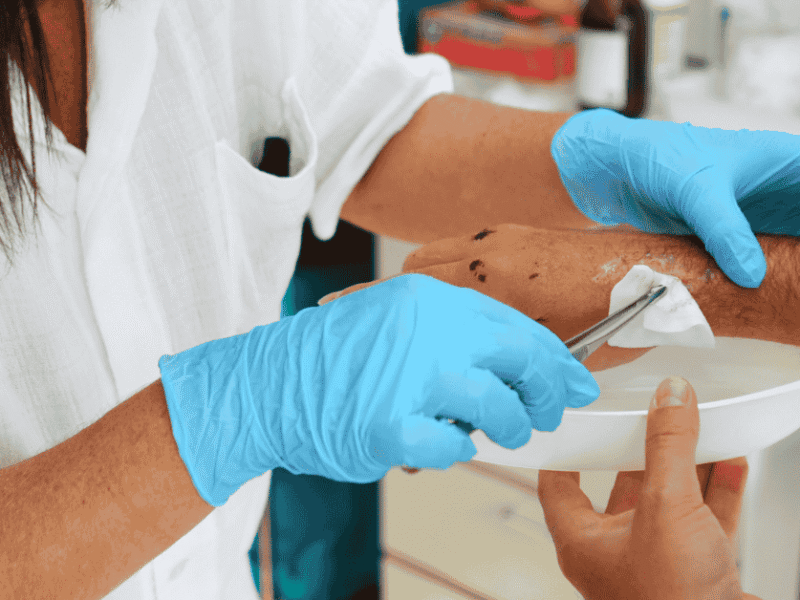
Surgical Wounds That Won’t Heal: When to See a Wound Care Specialist
Most surgical wounds are expected to heal within a predictable timeframe. When healing is delayed or a surgical incision reopens, it can be both alarming and frustrating. A surgical wound that won’t heal properly may indicate an underlying issue that requires specialized medical attention. Delayed healing can occur for several reasons. Infection is one of [...] Read More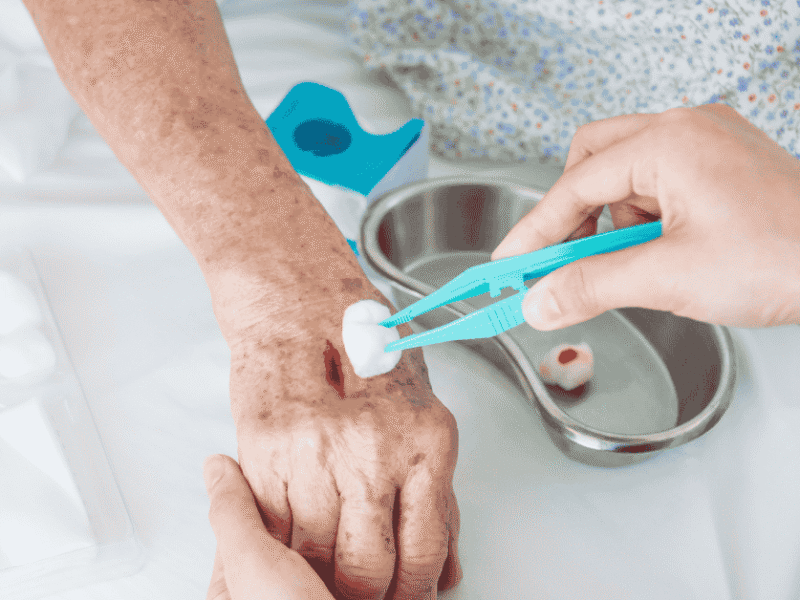
How Nutrition, Blood Flow, and Wound Care Work Together to Speed Healing
Wound healing is not just about treating the surface of an injury. It’s a complex process that depends on multiple systems in the body working together. Nutrition, healthy blood flow, and proper wound care each play a critical role in how quickly and effectively a wound heals. When even one of these factors is compromised, [...] Read More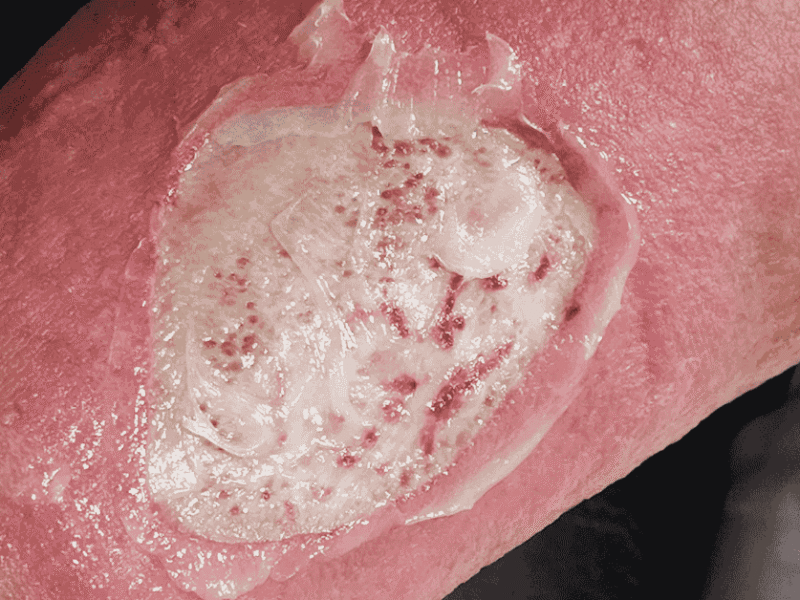
Pressure Ulcers Explained: Causes, Stages, and Modern Treatment Options
Pressure ulcers, commonly known as bedsores, are serious wounds that develop when prolonged pressure restricts blood flow to the skin and underlying tissue. These wounds are most common in individuals with limited mobility, but they can affect anyone who remains in one position for extended periods of time. Without proper treatment, pressure ulcers can worsen [...] Read More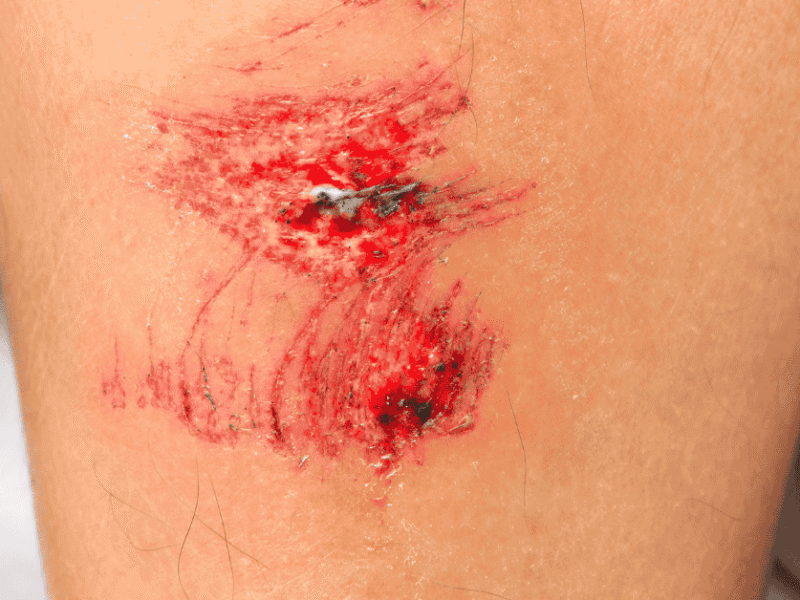
The Hidden Role of Poor Circulation in Slow-Healing Wounds
When a wound refuses to heal, the problem often lies beneath the surface. One of the most overlooked causes of delayed wound healing is poor circulation. Without healthy blood flow, the body struggles to deliver oxygen, nutrients, and immune cells needed to repair damaged tissue, turning what should be a minor injury into a chronic [...] Read More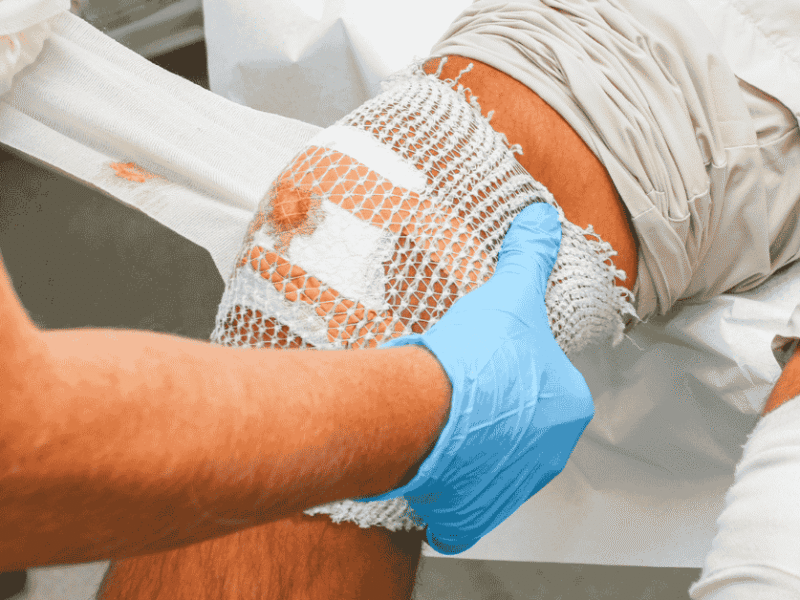
What Makes Advanced Wound Care Different from Traditional Treatment?
Not all wound care is the same. While minor cuts and scrapes often heal with basic at-home treatment, more complex or slow-healing wounds require a higher level of care. This is where advanced wound care differs significantly from traditional wound treatment, offering specialized solutions designed to heal wounds that standard methods cannot. Traditional wound care [...] Read More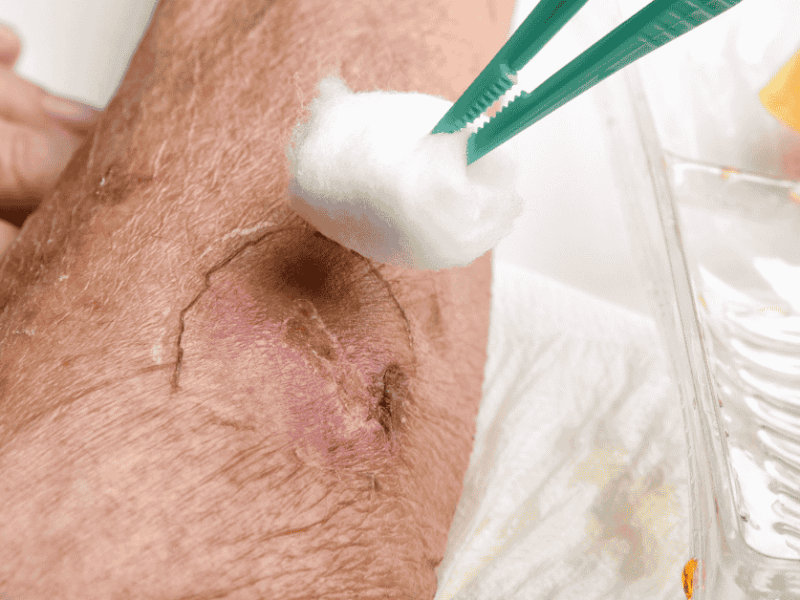
From Infection to Amputation: How Advanced Wound Care Helps Prevent Serious Complications
A wound that becomes infected is more than just a localized problem — it can quickly turn into a serious medical emergency. When wounds are not treated properly or early enough, infections can spread, damage surrounding tissue, and lead to life-altering outcomes, including amputation. Understanding how this progression happens — and how advanced wound care [...] Read More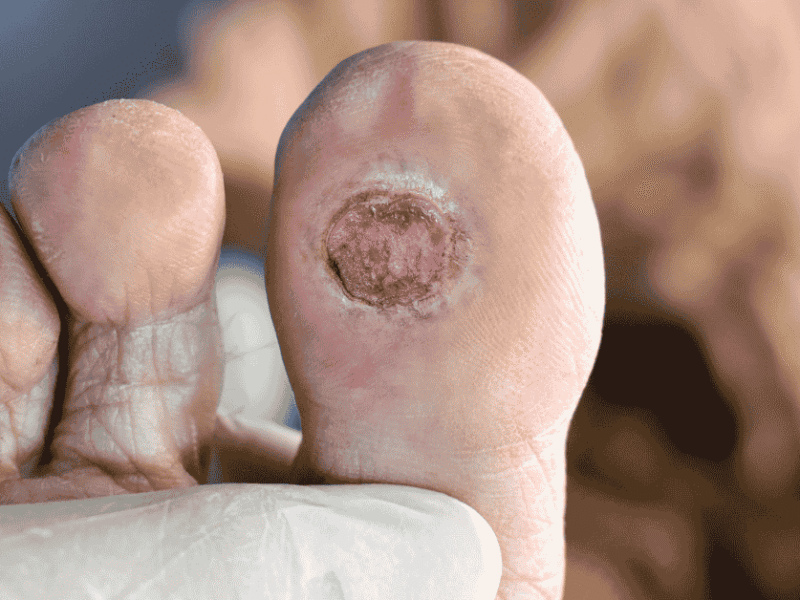
Diabetic Foot Ulcers: Early Warning Signs You Should Never Ignore
For people living with diabetes, foot health is more than a comfort issue — it’s a critical part of overall health. One of the most serious and common complications of diabetes is the development of diabetic foot ulcers, open sores or wounds that form due to a combination of nerve damage, poor circulation, and delayed [...] Read More