
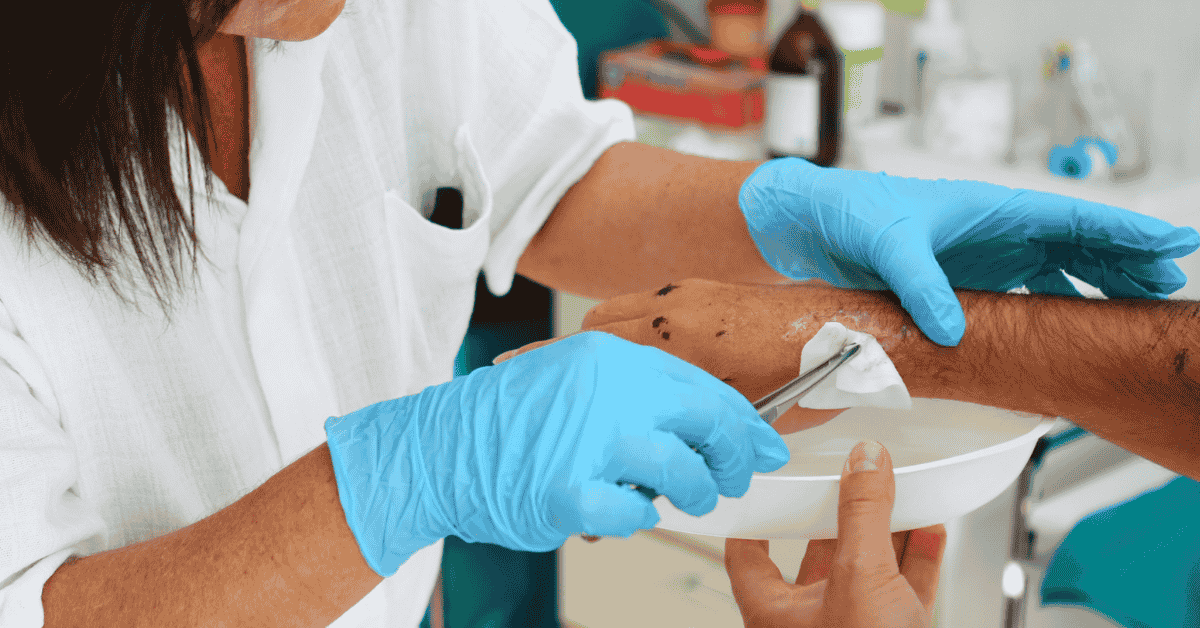
When a wound fails to heal properly, one of the most common obstacles is the presence of dead or damaged tissue. This tissue can prevent healthy cells from regenerating and create an environment where bacteria thrive.
To support proper healing, medical professionals often perform a procedure known as debridement. At Bellagio Wound Care, debridement is a key component of treating chronic and complex wounds.
Understanding how this procedure works can help patients feel more confident about their treatment plan.
What Is Debridement?
Debridement is the process of removing dead, damaged, or infected tissue from a wound. This allows healthy tissue to grow and helps the wound progress through the normal stages of healing.
When dead tissue remains in a wound, it can:
-
block new tissue formation
-
trap bacteria
-
increase the risk of infection
-
slow or completely stop healing
By clearing away these barriers, debridement creates an environment where the body can repair itself more effectively.
Why Debridement Is Necessary
Many chronic wounds contain a layer of tissue known as necrotic tissue. This tissue has died due to lack of blood supply or infection.
Necrotic tissue can appear:
-
dark or black
-
thick and leathery
-
yellow or fibrous
Because this tissue cannot regenerate, it must be removed in order for healthy tissue to replace it.
Debridement also helps doctors assess the true depth and severity of the wound.
Types of Debridement
There are several methods used to remove dead tissue, depending on the type and severity of the wound.
Surgical Debridement
This is one of the fastest and most effective methods for removing large amounts of necrotic tissue. A trained physician carefully removes damaged tissue using sterile surgical instruments.
Mechanical Debridement
This method uses specialized dressings or irrigation techniques to gradually remove dead tissue from the wound.
Enzymatic Debridement
Certain topical medications can break down necrotic tissue, allowing it to be removed more easily during wound care.
Autolytic Debridement
This method uses the body’s natural enzymes and moisture to break down dead tissue over time with specialized dressings.
Your wound care provider will determine the most appropriate method based on the wound’s condition.
Benefits of Debridement
Debridement plays a vital role in the healing process by:
-
reducing bacterial growth
-
removing infection-causing tissue
-
stimulating the body’s natural healing response
-
promoting the formation of healthy new tissue
Patients often experience improved healing once the wound is properly cleaned and prepared for recovery.
Debridement and Chronic Wounds
Chronic wounds such as diabetic ulcers, pressure ulcers, and venous leg ulcers frequently require repeated debridement during treatment.
While this may sound concerning, the procedure is a normal and important part of advanced wound care.
Specialists carefully monitor wounds during each visit to determine whether additional debridement is needed to support healing.
Expert Wound Care Treatment
At Bellagio Wound Care, experienced medical professionals evaluate each wound individually and determine the most effective treatment approach.
Debridement is often combined with other therapies such as:
-
advanced wound dressings
-
infection control
-
compression therapy
-
negative pressure wound therapy
This comprehensive approach helps promote faster healing and reduces the risk of complications.
Supporting the Healing Process
For patients dealing with chronic or complex wounds, debridement can be an essential step toward recovery. By removing barriers to healing and encouraging new tissue growth, this procedure plays a crucial role in restoring skin health.
Working with experienced wound care specialists ensures that treatment is performed safely and effectively.
REQUEST APPOINTMENT
Follow us on social media!
When a wound fails to heal properly, one of the most common obstacles is the presence of dead or damaged tissue. This tissue can prevent healthy cells from regenerating and create an environment where bacteria thrive.
To support proper healing, medical professionals often perform a procedure known as debridement. At Bellagio Wound Care, debridement is a key component of treating chronic and complex wounds.
Understanding how this procedure works can help patients feel more confident about their treatment plan.
What Is Debridement?
Debridement is the process of removing dead, damaged, or infected tissue from a wound. This allows healthy tissue to grow and helps the wound progress through the normal stages of healing.
When dead tissue remains in a wound, it can:
-
block new tissue formation
-
trap bacteria
-
increase the risk of infection
-
slow or completely stop healing
By clearing away these barriers, debridement creates an environment where the body can repair itself more effectively.
Why Debridement Is Necessary
Many chronic wounds contain a layer of tissue known as necrotic tissue. This tissue has died due to lack of blood supply or infection.
Necrotic tissue can appear:
-
dark or black
-
thick and leathery
-
yellow or fibrous
Because this tissue cannot regenerate, it must be removed in order for healthy tissue to replace it.
Debridement also helps doctors assess the true depth and severity of the wound.
Types of Debridement
There are several methods used to remove dead tissue, depending on the type and severity of the wound.
Surgical Debridement
This is one of the fastest and most effective methods for removing large amounts of necrotic tissue. A trained physician carefully removes damaged tissue using sterile surgical instruments.
Mechanical Debridement
This method uses specialized dressings or irrigation techniques to gradually remove dead tissue from the wound.
Enzymatic Debridement
Certain topical medications can break down necrotic tissue, allowing it to be removed more easily during wound care.
Autolytic Debridement
This method uses the body’s natural enzymes and moisture to break down dead tissue over time with specialized dressings.
Your wound care provider will determine the most appropriate method based on the wound’s condition.
Benefits of Debridement
Debridement plays a vital role in the healing process by:
-
reducing bacterial growth
-
removing infection-causing tissue
-
stimulating the body’s natural healing response
-
promoting the formation of healthy new tissue
Patients often experience improved healing once the wound is properly cleaned and prepared for recovery.
Debridement and Chronic Wounds
Chronic wounds such as diabetic ulcers, pressure ulcers, and venous leg ulcers frequently require repeated debridement during treatment.
While this may sound concerning, the procedure is a normal and important part of advanced wound care.
Specialists carefully monitor wounds during each visit to determine whether additional debridement is needed to support healing.
Expert Wound Care Treatment
At Bellagio Wound Care, experienced medical professionals evaluate each wound individually and determine the most effective treatment approach.
Debridement is often combined with other therapies such as:
-
advanced wound dressings
-
infection control
-
compression therapy
-
negative pressure wound therapy
This comprehensive approach helps promote faster healing and reduces the risk of complications.
Supporting the Healing Process
For patients dealing with chronic or complex wounds, debridement can be an essential step toward recovery. By removing barriers to healing and encouraging new tissue growth, this procedure plays a crucial role in restoring skin health.
Working with experienced wound care specialists ensures that treatment is performed safely and effectively.