
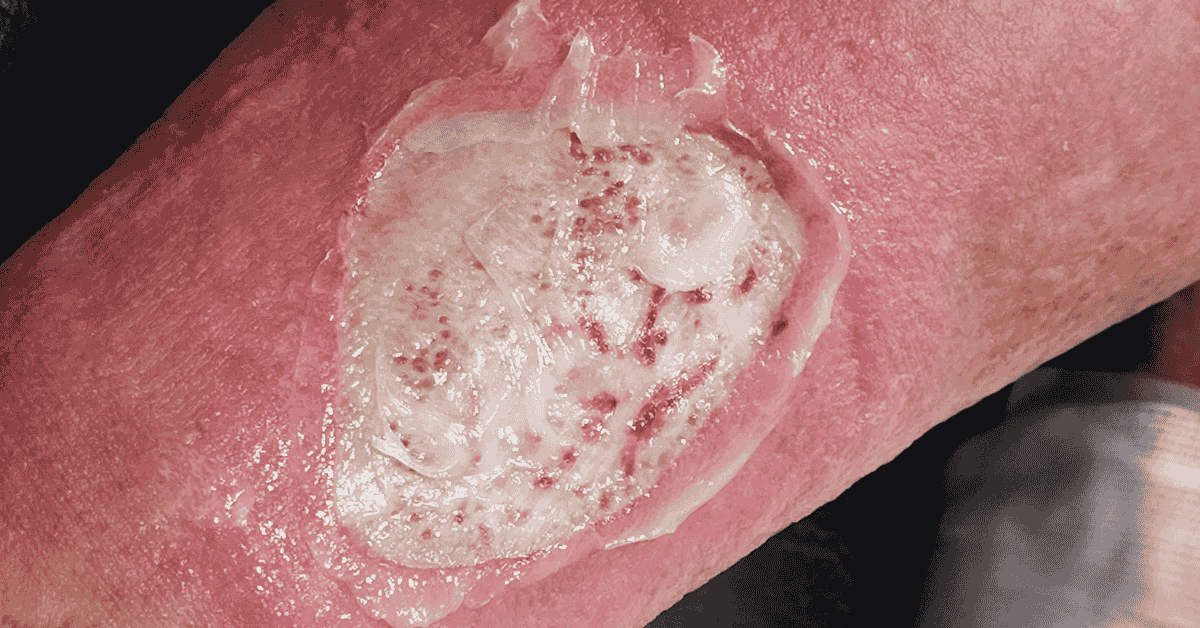
Pressure ulcers, commonly known as bedsores, are serious wounds that develop when prolonged pressure restricts blood flow to the skin and underlying tissue. These wounds are most common in individuals with limited mobility, but they can affect anyone who remains in one position for extended periods of time. Without proper treatment, pressure ulcers can worsen quickly and lead to severe complications.
Pressure ulcers typically form over bony areas such as the heels, ankles, hips, tailbone, and elbows. When constant pressure cuts off circulation, tissue becomes damaged and eventually dies. Friction and moisture further increase the risk, especially in patients who are bedridden, use wheelchairs, or require long-term care.
Pressure ulcers develop in stages, each representing increasing severity. In the early stage, the skin may appear red, warm, or discolored and may not blanch when pressed. At this point, the skin is still intact, and early intervention can often prevent progression.
As pressure ulcers advance, the skin begins to break down, forming open wounds or blisters. Deeper stages involve damage to muscle, tendons, or bone, significantly increasing the risk of infection. Advanced pressure ulcers can be extremely difficult to heal and may require prolonged medical treatment.
Modern wound care has significantly improved outcomes for patients with pressure ulcers. Early identification and intervention are key to preventing severe tissue damage. At Bellagio Wound Care, specialists evaluate not only the wound itself but also contributing factors such as mobility, nutrition, circulation, and overall health.
Treatment options may include professional wound debridement, advanced dressings that protect and maintain a healing environment, and pressure-relieving strategies such as offloading and repositioning. Compression therapy may be used when swelling is present, and negative pressure wound therapy can help promote tissue regeneration in deeper wounds.
Preventing pressure ulcers is just as important as treating them. Regular repositioning, proper support surfaces, skin inspections, and maintaining good nutrition and hydration all play vital roles. Education for patients and caregivers helps reduce recurrence and supports long-term healing.
Pressure ulcers are more than a skin issue — they can lead to serious infections, extended hospital stays, and decreased quality of life if left untreated. Specialized wound care helps stop progression, reduce complications, and support safe recovery.
If you or a loved one has a pressure ulcer or is at risk of developing one, early evaluation by a wound care specialist is essential. Bellagio Wound Care provides compassionate, advanced treatment designed to heal complex wounds and help patients regain comfort and mobility.
REQUEST APPOINTMENT
Follow us on social media!
Pressure ulcers, commonly known as bedsores, are serious wounds that develop when prolonged pressure restricts blood flow to the skin and underlying tissue. These wounds are most common in individuals with limited mobility, but they can affect anyone who remains in one position for extended periods of time. Without proper treatment, pressure ulcers can worsen quickly and lead to severe complications.
Pressure ulcers typically form over bony areas such as the heels, ankles, hips, tailbone, and elbows. When constant pressure cuts off circulation, tissue becomes damaged and eventually dies. Friction and moisture further increase the risk, especially in patients who are bedridden, use wheelchairs, or require long-term care.
Pressure ulcers develop in stages, each representing increasing severity. In the early stage, the skin may appear red, warm, or discolored and may not blanch when pressed. At this point, the skin is still intact, and early intervention can often prevent progression.
As pressure ulcers advance, the skin begins to break down, forming open wounds or blisters. Deeper stages involve damage to muscle, tendons, or bone, significantly increasing the risk of infection. Advanced pressure ulcers can be extremely difficult to heal and may require prolonged medical treatment.
Modern wound care has significantly improved outcomes for patients with pressure ulcers. Early identification and intervention are key to preventing severe tissue damage. At Bellagio Wound Care, specialists evaluate not only the wound itself but also contributing factors such as mobility, nutrition, circulation, and overall health.
Treatment options may include professional wound debridement, advanced dressings that protect and maintain a healing environment, and pressure-relieving strategies such as offloading and repositioning. Compression therapy may be used when swelling is present, and negative pressure wound therapy can help promote tissue regeneration in deeper wounds.
Preventing pressure ulcers is just as important as treating them. Regular repositioning, proper support surfaces, skin inspections, and maintaining good nutrition and hydration all play vital roles. Education for patients and caregivers helps reduce recurrence and supports long-term healing.
Pressure ulcers are more than a skin issue — they can lead to serious infections, extended hospital stays, and decreased quality of life if left untreated. Specialized wound care helps stop progression, reduce complications, and support safe recovery.
If you or a loved one has a pressure ulcer or is at risk of developing one, early evaluation by a wound care specialist is essential. Bellagio Wound Care provides compassionate, advanced treatment designed to heal complex wounds and help patients regain comfort and mobility.