
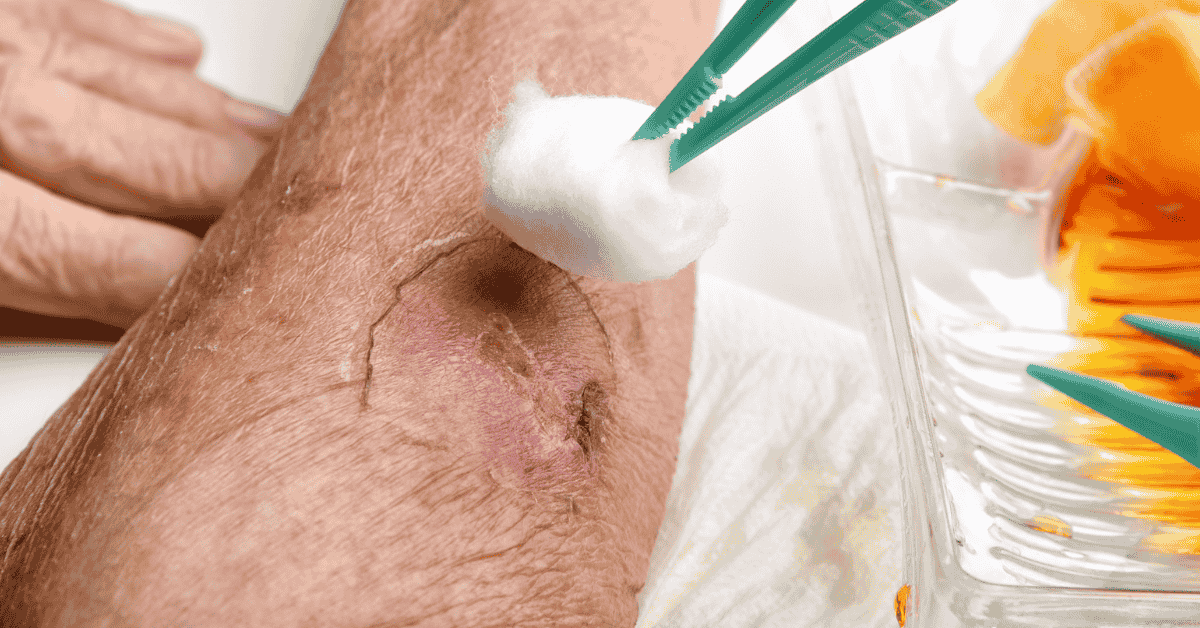
A wound that becomes infected is more than just a localized problem — it can quickly turn into a serious medical emergency. When wounds are not treated properly or early enough, infections can spread, damage surrounding tissue, and lead to life-altering outcomes, including amputation. Understanding how this progression happens — and how advanced wound care can stop it — is critical for protecting long-term health.
Infection occurs when bacteria enter an open wound and overwhelm the body’s ability to fight it. While some infections are obvious, others develop slowly and quietly. Redness, swelling, warmth, increased drainage, foul odor, or delayed healing are all warning signs that a wound may be infected. In patients with diabetes or poor circulation, infection can advance rapidly, even when pain is minimal or absent.
One of the most dangerous aspects of wound infections is their ability to spread beyond the skin. When bacteria reach deeper tissues, tendons, or bone, the risk of serious complications increases significantly. Conditions such as cellulitis and osteomyelitis can develop, often requiring aggressive treatment, hospitalization, or surgery.
If infection continues unchecked, tissue may begin to die due to reduced blood flow and oxygen. At this stage, the body can no longer repair the damage, and amputation may become the only option to prevent the infection from spreading further. Unfortunately, many amputations related to chronic wounds are preventable with early and specialized intervention.
Advanced wound care plays a vital role in stopping this dangerous progression. Unlike basic wound treatment, specialized wound care focuses on identifying and correcting the underlying factors that allow infection to thrive. At Bellagio Wound Care, patients receive comprehensive assessments that evaluate circulation, pressure, infection risk, and overall health — not just the visible wound.
Treatment may include professional debridement to remove infected or dead tissue, which helps reduce bacterial load and stimulates healing. Advanced dressings are used to manage moisture and protect the wound environment, while negative pressure wound therapy (wound VAC) may be employed to promote blood flow and tissue regeneration. Compression therapy, offloading techniques, and vascular coordination are also used when appropriate.
In addition to hands-on treatment, patient education is a critical component of preventing complications. Learning how to recognize early signs of infection, properly care for wounds at home, and manage underlying conditions like diabetes can dramatically reduce the risk of recurrence.
The goal of advanced wound care is not only to heal the wound, but also to preserve function, prevent hospitalization, and avoid amputation whenever possible. Early referral to a wound care specialist has been shown to significantly improve outcomes and reduce healthcare costs.
If you or a loved one has a wound that is worsening, draining, discolored, or showing signs of infection, waiting can be dangerous. Prompt evaluation and treatment can make the difference between healing and irreversible damage.
Bellagio Wound Care is dedicated to helping patients stop complications before they escalate. Through expert care, advanced therapies, and a compassionate approach, their team works to protect health, mobility, and quality of life — one wound at a time.
REQUEST APPOINTMENT
Follow us on social media!
A wound that becomes infected is more than just a localized problem — it can quickly turn into a serious medical emergency. When wounds are not treated properly or early enough, infections can spread, damage surrounding tissue, and lead to life-altering outcomes, including amputation. Understanding how this progression happens — and how advanced wound care can stop it — is critical for protecting long-term health.
Infection occurs when bacteria enter an open wound and overwhelm the body’s ability to fight it. While some infections are obvious, others develop slowly and quietly. Redness, swelling, warmth, increased drainage, foul odor, or delayed healing are all warning signs that a wound may be infected. In patients with diabetes or poor circulation, infection can advance rapidly, even when pain is minimal or absent.
One of the most dangerous aspects of wound infections is their ability to spread beyond the skin. When bacteria reach deeper tissues, tendons, or bone, the risk of serious complications increases significantly. Conditions such as cellulitis and osteomyelitis can develop, often requiring aggressive treatment, hospitalization, or surgery.
If infection continues unchecked, tissue may begin to die due to reduced blood flow and oxygen. At this stage, the body can no longer repair the damage, and amputation may become the only option to prevent the infection from spreading further. Unfortunately, many amputations related to chronic wounds are preventable with early and specialized intervention.
Advanced wound care plays a vital role in stopping this dangerous progression. Unlike basic wound treatment, specialized wound care focuses on identifying and correcting the underlying factors that allow infection to thrive. At Bellagio Wound Care, patients receive comprehensive assessments that evaluate circulation, pressure, infection risk, and overall health — not just the visible wound.
Treatment may include professional debridement to remove infected or dead tissue, which helps reduce bacterial load and stimulates healing. Advanced dressings are used to manage moisture and protect the wound environment, while negative pressure wound therapy (wound VAC) may be employed to promote blood flow and tissue regeneration. Compression therapy, offloading techniques, and vascular coordination are also used when appropriate.
In addition to hands-on treatment, patient education is a critical component of preventing complications. Learning how to recognize early signs of infection, properly care for wounds at home, and manage underlying conditions like diabetes can dramatically reduce the risk of recurrence.
The goal of advanced wound care is not only to heal the wound, but also to preserve function, prevent hospitalization, and avoid amputation whenever possible. Early referral to a wound care specialist has been shown to significantly improve outcomes and reduce healthcare costs.
If you or a loved one has a wound that is worsening, draining, discolored, or showing signs of infection, waiting can be dangerous. Prompt evaluation and treatment can make the difference between healing and irreversible damage.
Bellagio Wound Care is dedicated to helping patients stop complications before they escalate. Through expert care, advanced therapies, and a compassionate approach, their team works to protect health, mobility, and quality of life — one wound at a time.