
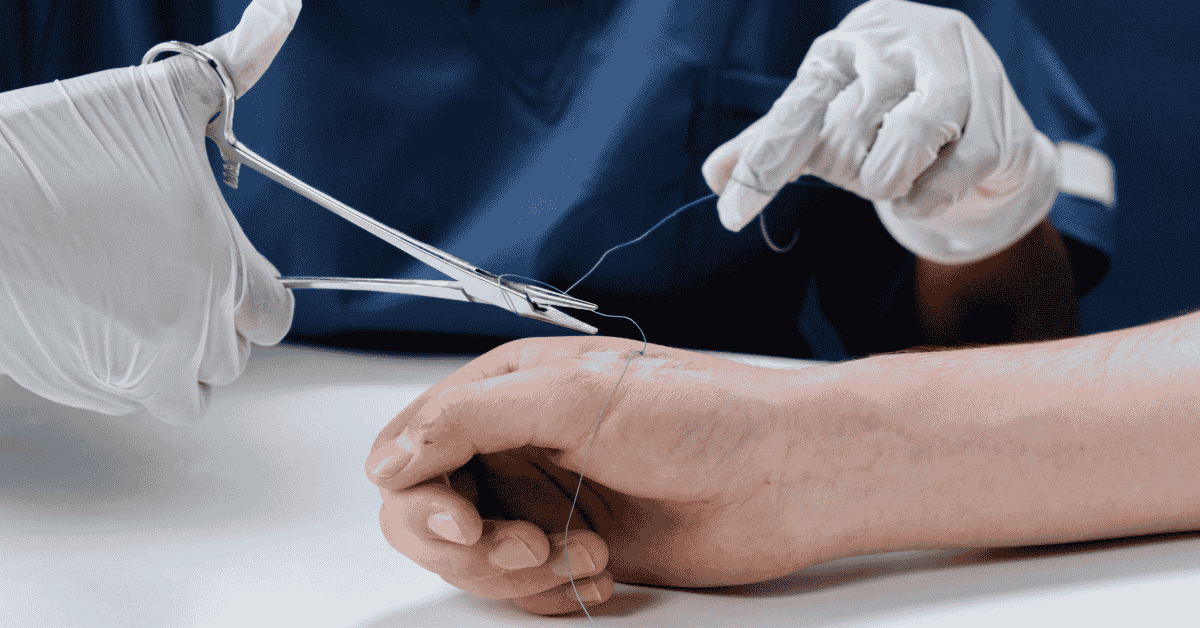
Many wounds heal naturally with basic first aid and proper hygiene. However, some wounds require more advanced medical attention.
Knowing when to seek professional care can help prevent complications and improve healing outcomes. At Bellagio Wound Care, specialists provide evaluation and treatment for wounds that do not heal properly or show signs of infection.
If you are unsure whether a wound needs specialized care, there are several warning signs to watch for.
A Wound That Won’t Heal
One of the most important indicators that medical care is needed is a wound that does not show improvement after two to four weeks.
Normal wounds should gradually shrink and develop new tissue as they heal. If a wound remains open or appears unchanged over time, it may require specialized treatment.
Signs of Infection
Infections can interfere with the body’s ability to heal and may lead to serious complications if left untreated.
Symptoms of an infected wound can include:
-
redness or swelling
-
pus or unusual drainage
-
increasing pain
-
warmth around the wound
-
unpleasant odor
If you notice these symptoms, a medical evaluation is recommended.
Wounds in Patients With Diabetes
Individuals with diabetes should seek medical attention for any wound that does not heal quickly. Diabetes can impair circulation and nerve function, increasing the risk of chronic wounds and infections.
Even minor injuries on the feet can become serious if not treated promptly.
Deep or Large Wounds
Deep wounds that expose underlying tissue may require advanced treatment to heal properly. Larger wounds can also be more vulnerable to infection and delayed healing.
A wound care specialist can assess the severity of the injury and recommend the most appropriate treatment plan.
Wounds Caused by Poor Circulation
Certain medical conditions, such as venous insufficiency or peripheral artery disease, can reduce blood flow to the affected area.
Without proper circulation, wounds may struggle to heal and can become chronic.
Specialized wound care providers can identify circulation problems and recommend treatments that support healing.
Recurring Wounds
Some wounds appear to heal initially but reopen repeatedly. Recurring wounds may indicate an underlying issue that needs to be addressed.
Specialists can evaluate contributing factors and develop a plan to prevent future wound complications.
Benefits of Seeing a Wound Care Specialist
Wound care specialists are trained to treat complex wounds using advanced techniques and medical technologies.
Patients may benefit from treatments such as:
-
advanced wound dressings
-
debridement
-
infection management
-
negative pressure wound therapy
-
compression therapy
Early evaluation often leads to faster healing and reduces the risk of complications.
Expert Care for Complex Wounds
At Bellagio Wound Care, patients receive individualized care designed to address the root causes of their wounds.
By combining medical expertise with advanced treatment options, specialists help patients heal more effectively and return to their daily activities.
If a wound is not healing as expected, seeking professional care can be an important step toward recovery.
REQUEST APPOINTMENT
Follow us on social media!
Many wounds heal naturally with basic first aid and proper hygiene. However, some wounds require more advanced medical attention.
Knowing when to seek professional care can help prevent complications and improve healing outcomes. At Bellagio Wound Care, specialists provide evaluation and treatment for wounds that do not heal properly or show signs of infection.
If you are unsure whether a wound needs specialized care, there are several warning signs to watch for.
A Wound That Won’t Heal
One of the most important indicators that medical care is needed is a wound that does not show improvement after two to four weeks.
Normal wounds should gradually shrink and develop new tissue as they heal. If a wound remains open or appears unchanged over time, it may require specialized treatment.
Signs of Infection
Infections can interfere with the body’s ability to heal and may lead to serious complications if left untreated.
Symptoms of an infected wound can include:
-
redness or swelling
-
pus or unusual drainage
-
increasing pain
-
warmth around the wound
-
unpleasant odor
If you notice these symptoms, a medical evaluation is recommended.
Wounds in Patients With Diabetes
Individuals with diabetes should seek medical attention for any wound that does not heal quickly. Diabetes can impair circulation and nerve function, increasing the risk of chronic wounds and infections.
Even minor injuries on the feet can become serious if not treated promptly.
Deep or Large Wounds
Deep wounds that expose underlying tissue may require advanced treatment to heal properly. Larger wounds can also be more vulnerable to infection and delayed healing.
A wound care specialist can assess the severity of the injury and recommend the most appropriate treatment plan.
Wounds Caused by Poor Circulation
Certain medical conditions, such as venous insufficiency or peripheral artery disease, can reduce blood flow to the affected area.
Without proper circulation, wounds may struggle to heal and can become chronic.
Specialized wound care providers can identify circulation problems and recommend treatments that support healing.
Recurring Wounds
Some wounds appear to heal initially but reopen repeatedly. Recurring wounds may indicate an underlying issue that needs to be addressed.
Specialists can evaluate contributing factors and develop a plan to prevent future wound complications.
Benefits of Seeing a Wound Care Specialist
Wound care specialists are trained to treat complex wounds using advanced techniques and medical technologies.
Patients may benefit from treatments such as:
-
advanced wound dressings
-
debridement
-
infection management
-
negative pressure wound therapy
-
compression therapy
Early evaluation often leads to faster healing and reduces the risk of complications.
Expert Care for Complex Wounds
At Bellagio Wound Care, patients receive individualized care designed to address the root causes of their wounds.
By combining medical expertise with advanced treatment options, specialists help patients heal more effectively and return to their daily activities.
If a wound is not healing as expected, seeking professional care can be an important step toward recovery.