
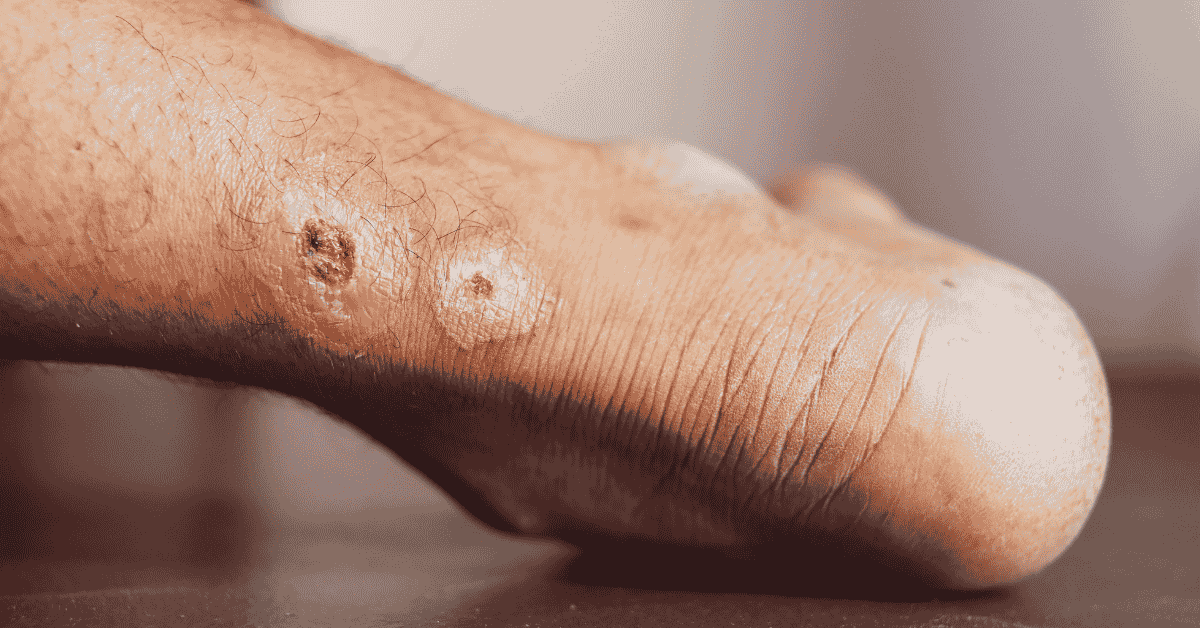
Pressure ulcers, commonly known as bedsores, are injuries to the skin and underlying tissue caused by prolonged pressure. These wounds typically develop when blood flow to the skin is restricted for extended periods of time.
Pressure ulcers are most common in individuals who have limited mobility, including patients who are bedridden, recovering from surgery, or using wheelchairs for long periods.
At Bellagio Wound Care, clinicians provide specialized care for pressure ulcers and other chronic wounds that require advanced treatment.
How Pressure Ulcers Develop
Pressure ulcers occur when constant pressure reduces blood circulation to the skin. Without sufficient oxygen and nutrients, the tissue begins to break down.
These wounds often develop over bony areas of the body such as:
-
the heels
-
hips
-
tailbone
-
elbows
-
shoulder blades
Patients who cannot change positions frequently are at the greatest risk.
Stages of Pressure Ulcers
Pressure ulcers are classified into stages based on their severity.
Stage 1
The skin appears red or discolored and may feel warm or tender. At this stage, the skin is still intact but shows early signs of damage.
Stage 2
The outer layer of skin becomes damaged, creating an open sore or blister.
Stage 3
The wound extends deeper into the tissue, affecting the fat layer beneath the skin.
Stage 4
The most severe stage, where the wound may expose muscle, tendon, or bone.
Early treatment is essential to prevent progression to more serious stages.
Who Is at Risk?
Certain individuals have a higher risk of developing pressure ulcers, including:
-
elderly patients
-
individuals with limited mobility
-
patients recovering from surgery
-
people with spinal cord injuries
-
individuals with chronic medical conditions
Moisture, poor nutrition, and reduced sensation can also increase risk.
Preventing Pressure Ulcers
Prevention strategies are especially important for individuals who are bedridden or have limited movement.
Helpful prevention measures include:
-
changing positions frequently
-
using pressure-relieving mattresses or cushions
-
keeping skin clean and dry
-
maintaining good nutrition and hydration
-
inspecting skin regularly for early signs of irritation
Caregivers and healthcare providers play a vital role in preventing these wounds.
Treatment for Pressure Ulcers
Once a pressure ulcer develops, proper wound care is necessary to prevent infection and promote healing.
Treatment may include:
-
specialized wound dressings
-
removal of dead tissue
-
infection control
-
pressure relief techniques
-
advanced wound therapies
More severe wounds may require surgical intervention to repair damaged tissue.
Advanced Wound Care Support
At Bellagio Wound Care, patients with pressure ulcers receive individualized treatment plans designed to address the root causes of their wounds.
By combining modern wound care techniques with comprehensive medical evaluation, specialists work to promote healing and prevent recurrence.
Early intervention is one of the most effective ways to protect skin health and avoid serious complications.
REQUEST APPOINTMENT
Follow us on social media!
Pressure ulcers, commonly known as bedsores, are injuries to the skin and underlying tissue caused by prolonged pressure. These wounds typically develop when blood flow to the skin is restricted for extended periods of time.
Pressure ulcers are most common in individuals who have limited mobility, including patients who are bedridden, recovering from surgery, or using wheelchairs for long periods.
At Bellagio Wound Care, clinicians provide specialized care for pressure ulcers and other chronic wounds that require advanced treatment.
How Pressure Ulcers Develop
Pressure ulcers occur when constant pressure reduces blood circulation to the skin. Without sufficient oxygen and nutrients, the tissue begins to break down.
These wounds often develop over bony areas of the body such as:
-
the heels
-
hips
-
tailbone
-
elbows
-
shoulder blades
Patients who cannot change positions frequently are at the greatest risk.
Stages of Pressure Ulcers
Pressure ulcers are classified into stages based on their severity.
Stage 1
The skin appears red or discolored and may feel warm or tender. At this stage, the skin is still intact but shows early signs of damage.
Stage 2
The outer layer of skin becomes damaged, creating an open sore or blister.
Stage 3
The wound extends deeper into the tissue, affecting the fat layer beneath the skin.
Stage 4
The most severe stage, where the wound may expose muscle, tendon, or bone.
Early treatment is essential to prevent progression to more serious stages.
Who Is at Risk?
Certain individuals have a higher risk of developing pressure ulcers, including:
-
elderly patients
-
individuals with limited mobility
-
patients recovering from surgery
-
people with spinal cord injuries
-
individuals with chronic medical conditions
Moisture, poor nutrition, and reduced sensation can also increase risk.
Preventing Pressure Ulcers
Prevention strategies are especially important for individuals who are bedridden or have limited movement.
Helpful prevention measures include:
-
changing positions frequently
-
using pressure-relieving mattresses or cushions
-
keeping skin clean and dry
-
maintaining good nutrition and hydration
-
inspecting skin regularly for early signs of irritation
Caregivers and healthcare providers play a vital role in preventing these wounds.
Treatment for Pressure Ulcers
Once a pressure ulcer develops, proper wound care is necessary to prevent infection and promote healing.
Treatment may include:
-
specialized wound dressings
-
removal of dead tissue
-
infection control
-
pressure relief techniques
-
advanced wound therapies
More severe wounds may require surgical intervention to repair damaged tissue.
Advanced Wound Care Support
At Bellagio Wound Care, patients with pressure ulcers receive individualized treatment plans designed to address the root causes of their wounds.
By combining modern wound care techniques with comprehensive medical evaluation, specialists work to promote healing and prevent recurrence.
Early intervention is one of the most effective ways to protect skin health and avoid serious complications.