
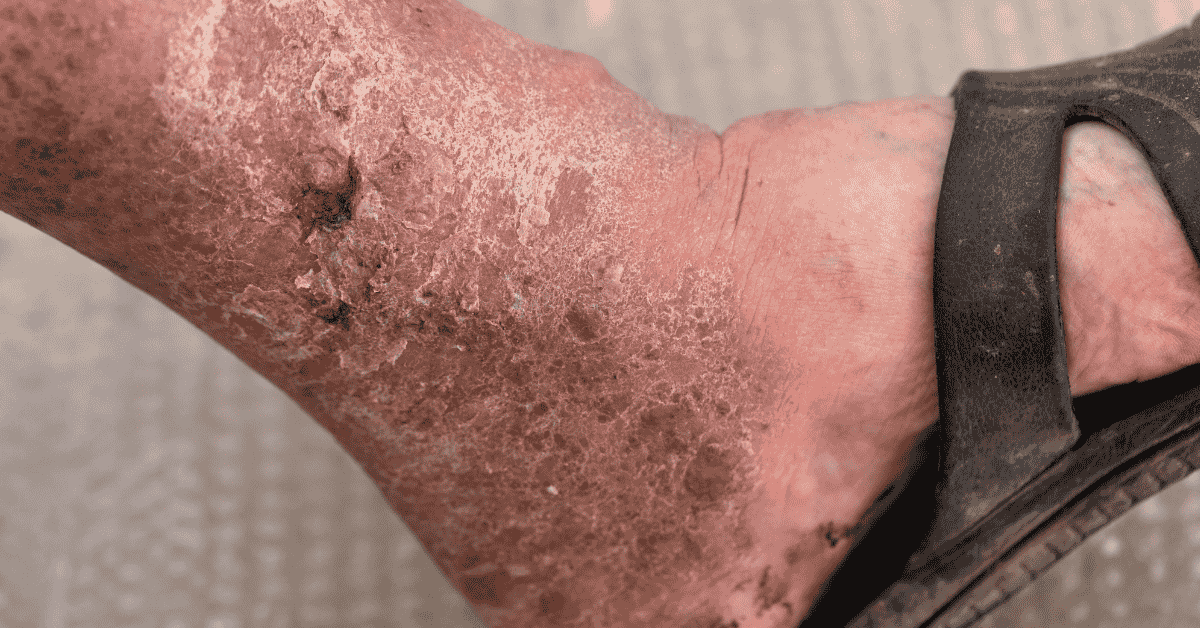
Venous leg ulcers are one of the most common types of chronic wounds affecting adults, particularly older individuals. These ulcers occur when blood circulation in the legs becomes impaired, preventing wounds from healing properly.
At Bellagio Wound Care, specialists frequently treat venous ulcers using advanced wound care techniques designed to improve circulation and support healing.
Understanding the causes and symptoms of venous ulcers can help patients seek treatment early and avoid complications.
What Causes Venous Leg Ulcers?
Venous leg ulcers develop when the veins in the legs have difficulty returning blood back to the heart. This condition is known as venous insufficiency.
Healthy veins contain valves that help move blood upward through the legs. When these valves become weakened or damaged, blood can pool in the lower legs.
This increased pressure in the veins can eventually damage the surrounding skin and tissue, leading to the development of ulcers.
Who Is Most at Risk?
Several factors can increase the risk of venous ulcers, including:
-
chronic venous insufficiency
-
history of blood clots
-
obesity
-
prolonged standing or sitting
-
advanced age
-
previous leg injuries
Individuals with poor circulation are more likely to develop wounds that heal slowly.
Symptoms of Venous Leg Ulcers
Venous ulcers usually appear on the lower leg, often near the ankle. They may develop gradually and can become chronic if not treated.
Common symptoms include:
-
swelling in the legs or ankles
-
skin discoloration or darkening
-
itching or irritation
-
aching or heaviness in the legs
-
open sores that drain fluid
These wounds may take weeks or months to heal without proper medical treatment.
Why Treatment Is Important
Venous ulcers can worsen over time if the underlying circulation problem is not addressed. Chronic wounds are also more susceptible to infection.
Proper treatment focuses on both healing the wound and improving blood flow in the legs.
Treatment Options for Venous Ulcers
Several treatments may be used to manage venous ulcers and promote healing.
Compression Therapy
Compression bandages or stockings help reduce swelling and support blood circulation in the legs. This is one of the most important treatments for venous ulcers.
Wound Care Management
Specialized wound dressings protect the ulcer and maintain the moisture balance needed for healing.
Debridement
Removing dead tissue from the wound allows healthy tissue to grow and helps prevent infection.
Lifestyle Adjustments
Patients may also be encouraged to elevate their legs, stay physically active, and manage underlying conditions that affect circulation.
Comprehensive Wound Care
At Bellagio Wound Care, clinicians evaluate each patient carefully to determine the best treatment strategy.
By addressing both the wound and the circulation issues that caused it, specialists help patients achieve better healing outcomes.
Supporting Long-Term Healing
Venous ulcers can be challenging to manage, but with proper medical care and lifestyle adjustments, many patients can successfully heal their wounds and prevent recurrence.
Seeking professional wound care early can significantly improve recovery and reduce the risk of long-term complications.
REQUEST APPOINTMENT
Follow us on social media!
Venous leg ulcers are one of the most common types of chronic wounds affecting adults, particularly older individuals. These ulcers occur when blood circulation in the legs becomes impaired, preventing wounds from healing properly.
At Bellagio Wound Care, specialists frequently treat venous ulcers using advanced wound care techniques designed to improve circulation and support healing.
Understanding the causes and symptoms of venous ulcers can help patients seek treatment early and avoid complications.
What Causes Venous Leg Ulcers?
Venous leg ulcers develop when the veins in the legs have difficulty returning blood back to the heart. This condition is known as venous insufficiency.
Healthy veins contain valves that help move blood upward through the legs. When these valves become weakened or damaged, blood can pool in the lower legs.
This increased pressure in the veins can eventually damage the surrounding skin and tissue, leading to the development of ulcers.
Who Is Most at Risk?
Several factors can increase the risk of venous ulcers, including:
-
chronic venous insufficiency
-
history of blood clots
-
obesity
-
prolonged standing or sitting
-
advanced age
-
previous leg injuries
Individuals with poor circulation are more likely to develop wounds that heal slowly.
Symptoms of Venous Leg Ulcers
Venous ulcers usually appear on the lower leg, often near the ankle. They may develop gradually and can become chronic if not treated.
Common symptoms include:
-
swelling in the legs or ankles
-
skin discoloration or darkening
-
itching or irritation
-
aching or heaviness in the legs
-
open sores that drain fluid
These wounds may take weeks or months to heal without proper medical treatment.
Why Treatment Is Important
Venous ulcers can worsen over time if the underlying circulation problem is not addressed. Chronic wounds are also more susceptible to infection.
Proper treatment focuses on both healing the wound and improving blood flow in the legs.
Treatment Options for Venous Ulcers
Several treatments may be used to manage venous ulcers and promote healing.
Compression Therapy
Compression bandages or stockings help reduce swelling and support blood circulation in the legs. This is one of the most important treatments for venous ulcers.
Wound Care Management
Specialized wound dressings protect the ulcer and maintain the moisture balance needed for healing.
Debridement
Removing dead tissue from the wound allows healthy tissue to grow and helps prevent infection.
Lifestyle Adjustments
Patients may also be encouraged to elevate their legs, stay physically active, and manage underlying conditions that affect circulation.
Comprehensive Wound Care
At Bellagio Wound Care, clinicians evaluate each patient carefully to determine the best treatment strategy.
By addressing both the wound and the circulation issues that caused it, specialists help patients achieve better healing outcomes.
Supporting Long-Term Healing
Venous ulcers can be challenging to manage, but with proper medical care and lifestyle adjustments, many patients can successfully heal their wounds and prevent recurrence.
Seeking professional wound care early can significantly improve recovery and reduce the risk of long-term complications.