
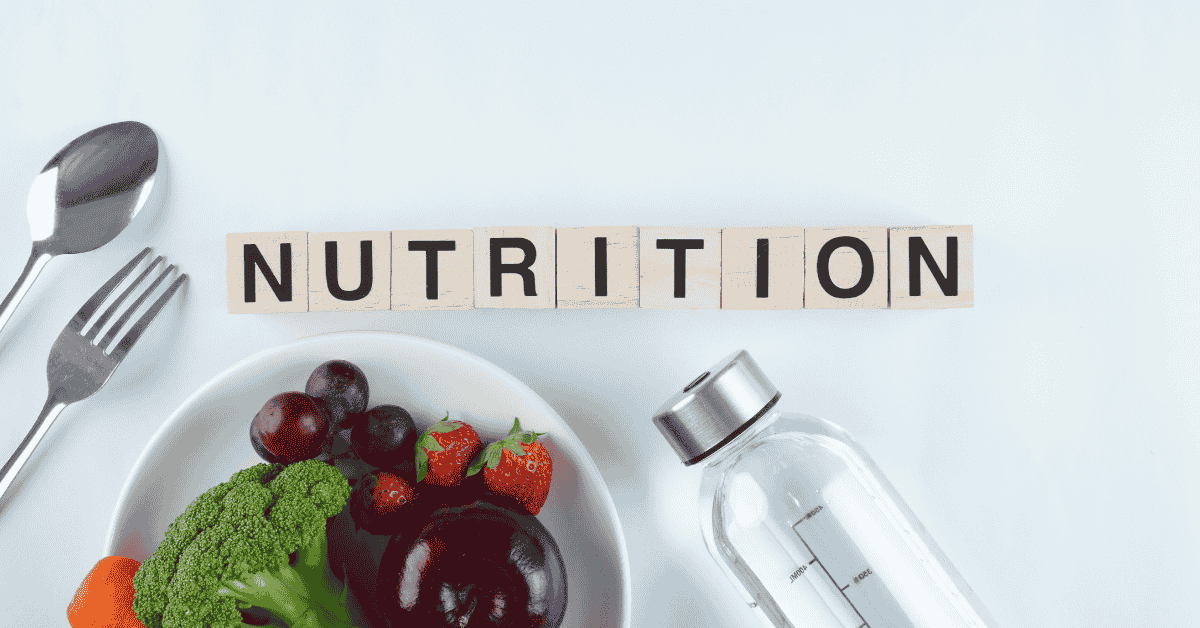
When it comes to wound care, most people focus on cleaning and dressing the wound. However, one of the most important factors in healing happens internally—through proper nutrition.
At Bellagio Wound Care, specialists recognize that the body needs the right nutrients to repair damaged tissue effectively. Without proper nutrition, even advanced wound treatments may not achieve optimal results.
Why Nutrition Matters for Healing
Wound healing requires energy, protein, and essential nutrients to rebuild tissue and fight infection.
When the body lacks these resources, healing may slow down or stop altogether.
Malnutrition is a common but often overlooked cause of delayed wound healing, particularly in:
- older adults
- patients with chronic illnesses
- individuals recovering from surgery
Key Nutrients for Wound Healing
Certain nutrients play a direct role in tissue repair and immune function.
Protein
Protein is essential for building new tissue and repairing damaged cells. Without enough protein, the body cannot effectively close wounds.
Sources include:
- lean meats
- eggs
- dairy products
- legumes
Vitamin C
Vitamin C supports collagen production, which is necessary for skin strength and structure.
It also helps boost the immune system and protect against infection.
Zinc
Zinc plays a critical role in cell growth and immune response. Low zinc levels can delay wound healing.
Hydration
Water is essential for maintaining healthy skin and supporting cellular function. Dehydration can slow the healing process and increase the risk of complications.
Signs Nutrition May Be Affecting Healing
Patients may not always realize that poor nutrition is contributing to slow healing.
Possible signs include:
- wounds that take longer than expected to heal
- frequent infections
- fatigue or weakness
- unexplained weight loss
If these symptoms are present, nutritional support may be needed.
A Holistic Approach to Wound Care
At Bellagio Wound Care, wound care goes beyond treating the surface of the injury.
Specialists may provide guidance on:
- dietary improvements
- nutrient intake
- hydration habits
- lifestyle changes that support healing
This comprehensive approach helps ensure that the body has everything it needs to recover.
Supporting Recovery From the Inside Out
Proper nutrition is one of the most powerful tools for improving wound healing outcomes. When combined with advanced medical care, it can significantly accelerate recovery and reduce complications.
If your wound isn’t healing as expected, evaluating your nutrition may be an important step toward recovery.
REQUEST APPOINTMENT
Follow us on social media!
When it comes to wound care, most people focus on cleaning and dressing the wound. However, one of the most important factors in healing happens internally—through proper nutrition.
At Bellagio Wound Care, specialists recognize that the body needs the right nutrients to repair damaged tissue effectively. Without proper nutrition, even advanced wound treatments may not achieve optimal results.
Why Nutrition Matters for Healing
Wound healing requires energy, protein, and essential nutrients to rebuild tissue and fight infection.
When the body lacks these resources, healing may slow down or stop altogether.
Malnutrition is a common but often overlooked cause of delayed wound healing, particularly in:
- older adults
- patients with chronic illnesses
- individuals recovering from surgery
Key Nutrients for Wound Healing
Certain nutrients play a direct role in tissue repair and immune function.
Protein
Protein is essential for building new tissue and repairing damaged cells. Without enough protein, the body cannot effectively close wounds.
Sources include:
- lean meats
- eggs
- dairy products
- legumes
Vitamin C
Vitamin C supports collagen production, which is necessary for skin strength and structure.
It also helps boost the immune system and protect against infection.
Zinc
Zinc plays a critical role in cell growth and immune response. Low zinc levels can delay wound healing.
Hydration
Water is essential for maintaining healthy skin and supporting cellular function. Dehydration can slow the healing process and increase the risk of complications.
Signs Nutrition May Be Affecting Healing
Patients may not always realize that poor nutrition is contributing to slow healing.
Possible signs include:
- wounds that take longer than expected to heal
- frequent infections
- fatigue or weakness
- unexplained weight loss
If these symptoms are present, nutritional support may be needed.
A Holistic Approach to Wound Care
At Bellagio Wound Care, wound care goes beyond treating the surface of the injury.
Specialists may provide guidance on:
- dietary improvements
- nutrient intake
- hydration habits
- lifestyle changes that support healing
This comprehensive approach helps ensure that the body has everything it needs to recover.
Supporting Recovery From the Inside Out
Proper nutrition is one of the most powerful tools for improving wound healing outcomes. When combined with advanced medical care, it can significantly accelerate recovery and reduce complications.
If your wound isn’t healing as expected, evaluating your nutrition may be an important step toward recovery.