
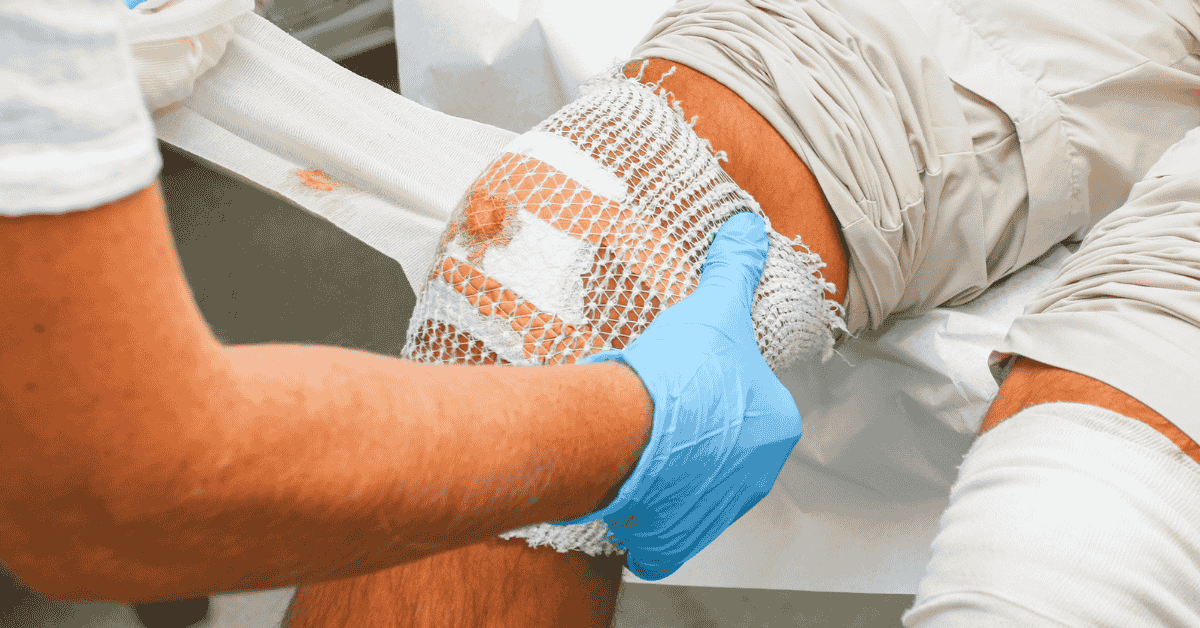
Not all wound care is the same. While minor cuts and scrapes often heal with basic at-home treatment, more complex or slow-healing wounds require a higher level of care. This is where advanced wound care differs significantly from traditional wound treatment, offering specialized solutions designed to heal wounds that standard methods cannot.
Traditional wound care typically focuses on cleaning the wound, applying a basic dressing, and monitoring for signs of infection. While this approach works for simple injuries, it often falls short for chronic wounds, surgical wounds that won’t close, and wounds caused by underlying medical conditions such as diabetes or poor circulation.
Advanced wound care takes a comprehensive and strategic approach. Instead of treating only the surface of the wound, specialists evaluate the entire healing process. This includes assessing blood flow, nerve function, pressure points, swelling, infection risk, nutrition, and the patient’s overall medical history. Healing cannot occur without addressing these underlying factors.
One of the most important distinctions of advanced wound care is specialized expertise. Wound care specialists are trained to manage complex cases and recognize subtle signs of complications that may be missed in routine care. At Bellagio Wound Care, treatment plans are individualized, ensuring that each patient receives targeted therapy based on their unique condition and needs.
Advanced wound care also utilizes innovative therapies and technologies that are not typically available in primary care settings. These may include professional wound debridement to remove dead or infected tissue, advanced wound dressings designed to maintain optimal moisture levels, and negative pressure wound therapy (wound VAC) to promote circulation and tissue growth. Compression therapy is often used for wounds related to venous insufficiency and swelling.
Another key difference is the emphasis on prevention and long-term outcomes. Advanced wound care focuses on preventing infection, reducing the risk of recurrence, and avoiding serious complications such as hospitalization or amputation. Education plays a vital role, teaching patients how to properly care for their wounds, manage chronic conditions, and recognize early warning signs.
Collaboration is also a cornerstone of advanced wound care. Specialists often coordinate with primary care providers, podiatrists, vascular specialists, and surgeons to ensure comprehensive treatment. This multidisciplinary approach improves healing rates and helps address complex medical issues that impact wound recovery.
Patients who benefit most from advanced wound care include those with wounds that have not healed after several weeks, wounds that are worsening, or wounds associated with diabetes, poor circulation, pressure, or infection. Surgical wounds that reopen or fail to close properly are also strong candidates for specialized care.
Choosing advanced wound care is not just about healing faster — it’s about healing safely and completely. When wounds are treated early and appropriately, patients experience better outcomes, fewer complications, and improved quality of life.
Bellagio Wound Care combines advanced therapies, expert evaluations, and compassionate care to help patients heal when traditional treatment is no longer enough. If a wound isn’t improving, specialized care may be the next essential step toward recovery.
REQUEST APPOINTMENT
Follow us on social media!
Not all wound care is the same. While minor cuts and scrapes often heal with basic at-home treatment, more complex or slow-healing wounds require a higher level of care. This is where advanced wound care differs significantly from traditional wound treatment, offering specialized solutions designed to heal wounds that standard methods cannot.
Traditional wound care typically focuses on cleaning the wound, applying a basic dressing, and monitoring for signs of infection. While this approach works for simple injuries, it often falls short for chronic wounds, surgical wounds that won’t close, and wounds caused by underlying medical conditions such as diabetes or poor circulation.
Advanced wound care takes a comprehensive and strategic approach. Instead of treating only the surface of the wound, specialists evaluate the entire healing process. This includes assessing blood flow, nerve function, pressure points, swelling, infection risk, nutrition, and the patient’s overall medical history. Healing cannot occur without addressing these underlying factors.
One of the most important distinctions of advanced wound care is specialized expertise. Wound care specialists are trained to manage complex cases and recognize subtle signs of complications that may be missed in routine care. At Bellagio Wound Care, treatment plans are individualized, ensuring that each patient receives targeted therapy based on their unique condition and needs.
Advanced wound care also utilizes innovative therapies and technologies that are not typically available in primary care settings. These may include professional wound debridement to remove dead or infected tissue, advanced wound dressings designed to maintain optimal moisture levels, and negative pressure wound therapy (wound VAC) to promote circulation and tissue growth. Compression therapy is often used for wounds related to venous insufficiency and swelling.
Another key difference is the emphasis on prevention and long-term outcomes. Advanced wound care focuses on preventing infection, reducing the risk of recurrence, and avoiding serious complications such as hospitalization or amputation. Education plays a vital role, teaching patients how to properly care for their wounds, manage chronic conditions, and recognize early warning signs.
Collaboration is also a cornerstone of advanced wound care. Specialists often coordinate with primary care providers, podiatrists, vascular specialists, and surgeons to ensure comprehensive treatment. This multidisciplinary approach improves healing rates and helps address complex medical issues that impact wound recovery.
Patients who benefit most from advanced wound care include those with wounds that have not healed after several weeks, wounds that are worsening, or wounds associated with diabetes, poor circulation, pressure, or infection. Surgical wounds that reopen or fail to close properly are also strong candidates for specialized care.
Choosing advanced wound care is not just about healing faster — it’s about healing safely and completely. When wounds are treated early and appropriately, patients experience better outcomes, fewer complications, and improved quality of life.
Bellagio Wound Care combines advanced therapies, expert evaluations, and compassionate care to help patients heal when traditional treatment is no longer enough. If a wound isn’t improving, specialized care may be the next essential step toward recovery.