
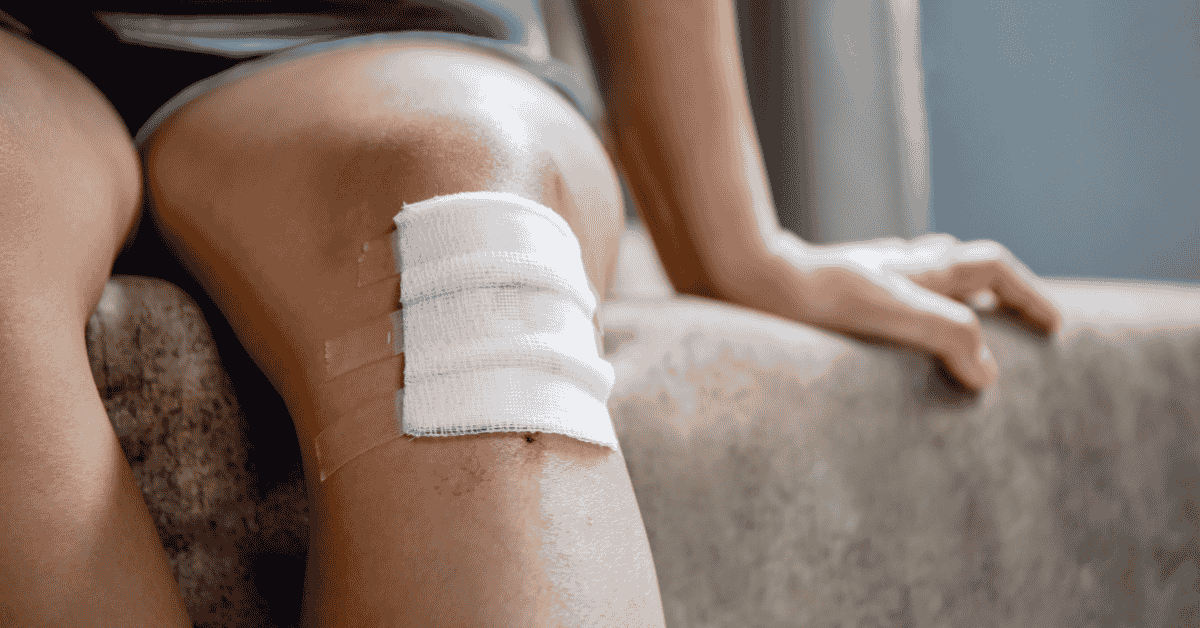
A wound that doesn’t heal can be more than just frustrating — it can be a serious medical warning sign. While many cuts, scrapes, and surgical incisions heal naturally with basic care, some wounds linger for weeks or even months without improvement. These are known as chronic wounds, and they often require specialized medical attention to heal properly.
Understanding why chronic wounds don’t heal on their own is the first step toward preventing complications and protecting your long-term health.
Chronic wounds are typically defined as wounds that fail to progress through the normal healing stages within about 30 to 90 days. Instead of closing and strengthening, these wounds may remain open, become infected, or worsen over time. Common examples include diabetic foot ulcers, pressure ulcers (bedsores), surgical wounds that won’t close, and wounds caused by poor circulation.
One of the most common reasons wounds fail to heal is poor blood flow. Healthy circulation delivers oxygen, nutrients, and immune cells to injured tissue. When blood flow is compromised — often due to diabetes, peripheral artery disease, or venous insufficiency — the body struggles to repair itself. Even a small wound can become chronic if the tissue is not receiving adequate oxygen and nutrients.
Another major factor is infection. Bacteria in a wound can slow healing, damage surrounding tissue, and lead to serious complications if left untreated. In chronic wounds, infection may not always be obvious. Redness, swelling, drainage, or an unpleasant odor can be subtle signs that the wound needs professional care.
Underlying medical conditions also play a significant role. Diabetes, for example, affects wound healing in multiple ways — it reduces circulation, weakens the immune system, and decreases sensation in the feet. This means wounds may go unnoticed and untreated until they become severe. Other conditions such as obesity, autoimmune disorders, and kidney disease can further interfere with the body’s natural healing process.
Improper wound care can also delay healing. Over-the-counter treatments, incorrect dressings, or infrequent wound cleaning may do more harm than good. Some wounds require advanced dressings, regular debridement, or specialized therapies that go far beyond basic at-home care.
This is where specialized wound care becomes essential. Wound care specialists focus not only on treating the wound itself, but also on identifying and addressing the underlying causes preventing healing. At Bellagio Wound Care, patients receive comprehensive evaluations designed to uncover circulation issues, infection risks, pressure concerns, and systemic health factors that impact recovery.
Advanced wound care treatments may include professional debridement to remove dead tissue, negative pressure wound therapy (wound VAC), compression therapy for swelling, advanced dressings, and personalized care plans tailored to each patient’s condition. Nutrition counseling and mobility guidance are often incorporated to support healing from the inside out.
Ignoring a chronic wound can lead to serious complications, including severe infection, hospitalization, and in extreme cases, amputation. Early intervention significantly improves outcomes and reduces the risk of long-term damage.
If you have a wound that hasn’t improved after several weeks, continues to drain, causes pain, or shows signs of infection, it’s time to seek professional care. Specialized wound treatment can mean the difference between prolonged suffering and a safe, successful recovery.
Bellagio Wound Care is dedicated to helping patients heal faster, avoid complications, and regain quality of life through expert, compassionate care. If you or a loved one is struggling with a slow-healing wound, reaching out to a wound care specialist could be the most important step toward healing.
REQUEST APPOINTMENT
Follow us on social media!
A wound that doesn’t heal can be more than just frustrating — it can be a serious medical warning sign. While many cuts, scrapes, and surgical incisions heal naturally with basic care, some wounds linger for weeks or even months without improvement. These are known as chronic wounds, and they often require specialized medical attention to heal properly.
Understanding why chronic wounds don’t heal on their own is the first step toward preventing complications and protecting your long-term health.
Chronic wounds are typically defined as wounds that fail to progress through the normal healing stages within about 30 to 90 days. Instead of closing and strengthening, these wounds may remain open, become infected, or worsen over time. Common examples include diabetic foot ulcers, pressure ulcers (bedsores), surgical wounds that won’t close, and wounds caused by poor circulation.
One of the most common reasons wounds fail to heal is poor blood flow. Healthy circulation delivers oxygen, nutrients, and immune cells to injured tissue. When blood flow is compromised — often due to diabetes, peripheral artery disease, or venous insufficiency — the body struggles to repair itself. Even a small wound can become chronic if the tissue is not receiving adequate oxygen and nutrients.
Another major factor is infection. Bacteria in a wound can slow healing, damage surrounding tissue, and lead to serious complications if left untreated. In chronic wounds, infection may not always be obvious. Redness, swelling, drainage, or an unpleasant odor can be subtle signs that the wound needs professional care.
Underlying medical conditions also play a significant role. Diabetes, for example, affects wound healing in multiple ways — it reduces circulation, weakens the immune system, and decreases sensation in the feet. This means wounds may go unnoticed and untreated until they become severe. Other conditions such as obesity, autoimmune disorders, and kidney disease can further interfere with the body’s natural healing process.
Improper wound care can also delay healing. Over-the-counter treatments, incorrect dressings, or infrequent wound cleaning may do more harm than good. Some wounds require advanced dressings, regular debridement, or specialized therapies that go far beyond basic at-home care.
This is where specialized wound care becomes essential. Wound care specialists focus not only on treating the wound itself, but also on identifying and addressing the underlying causes preventing healing. At Bellagio Wound Care, patients receive comprehensive evaluations designed to uncover circulation issues, infection risks, pressure concerns, and systemic health factors that impact recovery.
Advanced wound care treatments may include professional debridement to remove dead tissue, negative pressure wound therapy (wound VAC), compression therapy for swelling, advanced dressings, and personalized care plans tailored to each patient’s condition. Nutrition counseling and mobility guidance are often incorporated to support healing from the inside out.
Ignoring a chronic wound can lead to serious complications, including severe infection, hospitalization, and in extreme cases, amputation. Early intervention significantly improves outcomes and reduces the risk of long-term damage.
If you have a wound that hasn’t improved after several weeks, continues to drain, causes pain, or shows signs of infection, it’s time to seek professional care. Specialized wound treatment can mean the difference between prolonged suffering and a safe, successful recovery.
Bellagio Wound Care is dedicated to helping patients heal faster, avoid complications, and regain quality of life through expert, compassionate care. If you or a loved one is struggling with a slow-healing wound, reaching out to a wound care specialist could be the most important step toward healing.