- (480) 788-5621
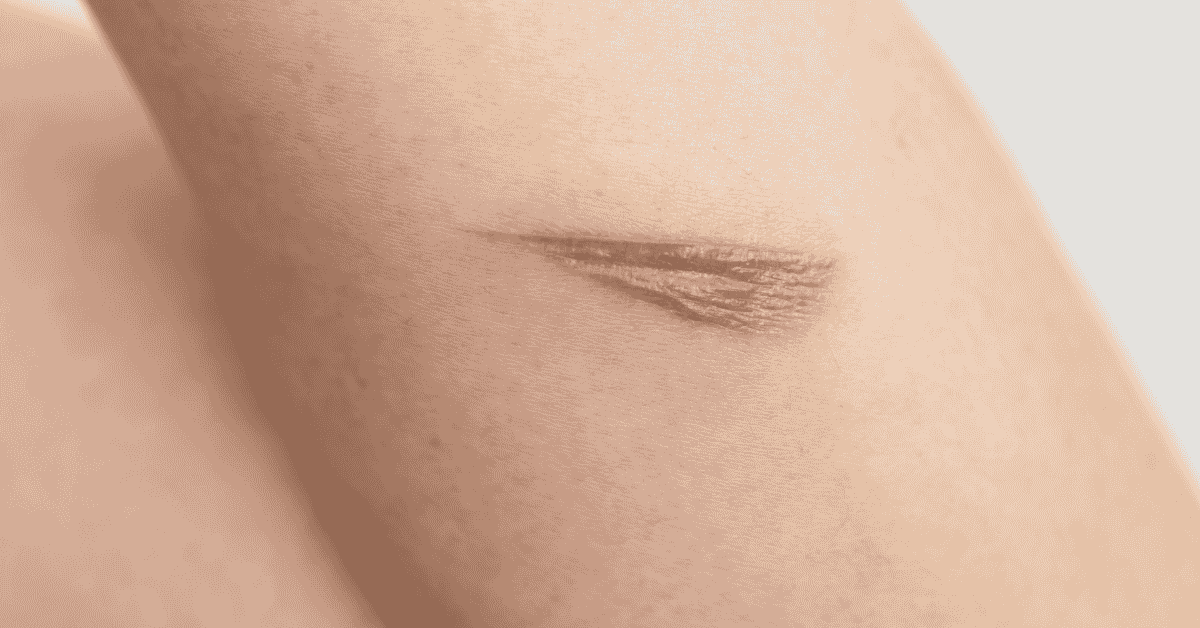
It’s a common assumption: if a wound looks smaller, drier, or covered with a scab, it must be healing. But in many cases, appearances can be misleading. A wound may seem improved on the surface while underlying tissue damage or infection continues to delay true healing.
At Bellagio Wound Care, specialists frequently treat patients who believed their wounds were healing—only to discover that deeper issues were preventing full recovery.
Understanding the difference between surface improvement and true healing is key to avoiding long-term complications.
Wounds go through several stages of healing, including inflammation, tissue formation, and remodeling. However, when this process is disrupted, a wound may appear to improve without actually progressing.
Some common signs that can give a false sense of healing include:
While these signs can indicate progress, they don’t always mean the wound is fully healing beneath the surface.
Even if a wound looks better externally, several hidden issues may still be present.
Bacteria can remain beneath the surface, especially if the wound has closed prematurely. This can lead to recurring infections or the wound reopening later.
If circulation is compromised, the deeper layers of tissue may not be receiving enough oxygen and nutrients to heal properly.
Necrotic (dead) tissue may still be present in the wound bed, preventing healthy tissue from forming.
Some wounds remain stuck in the inflammatory phase, meaning the body is unable to move forward with healing.
Even if a wound appears improved, there are warning signs that something isn’t right:
If you notice any of these signs, it’s important to seek professional evaluation.
Superficial healing can delay necessary treatment. Without identifying the underlying cause, the wound may worsen over time or become chronic.
Specialized wound care providers assess:
This comprehensive approach ensures that healing occurs both externally and internally.
At Bellagio Wound Care, treatment focuses on addressing the root cause of delayed healing.
Care plans may include:
By treating the full scope of the wound, specialists help ensure complete and lasting healing.
A wound that looks better isn’t always healed. If your wound keeps reopening or isn’t fully resolving, it may be time to seek expert care.
Early intervention can prevent complications and help restore your health more quickly.
It’s a common assumption: if a wound looks smaller, drier, or covered with a scab, it must be healing. But in many cases, appearances can be misleading. A wound may seem improved on the surface while underlying tissue damage or infection continues to delay true healing.
At Bellagio Wound Care, specialists frequently treat patients who believed their wounds were healing—only to discover that deeper issues were preventing full recovery.
Understanding the difference between surface improvement and true healing is key to avoiding long-term complications.
Wounds go through several stages of healing, including inflammation, tissue formation, and remodeling. However, when this process is disrupted, a wound may appear to improve without actually progressing.
Some common signs that can give a false sense of healing include:
While these signs can indicate progress, they don’t always mean the wound is fully healing beneath the surface.
Even if a wound looks better externally, several hidden issues may still be present.
Bacteria can remain beneath the surface, especially if the wound has closed prematurely. This can lead to recurring infections or the wound reopening later.
If circulation is compromised, the deeper layers of tissue may not be receiving enough oxygen and nutrients to heal properly.
Necrotic (dead) tissue may still be present in the wound bed, preventing healthy tissue from forming.
Some wounds remain stuck in the inflammatory phase, meaning the body is unable to move forward with healing.
Even if a wound appears improved, there are warning signs that something isn’t right:
If you notice any of these signs, it’s important to seek professional evaluation.
Superficial healing can delay necessary treatment. Without identifying the underlying cause, the wound may worsen over time or become chronic.
Specialized wound care providers assess:
This comprehensive approach ensures that healing occurs both externally and internally.
At Bellagio Wound Care, treatment focuses on addressing the root cause of delayed healing.
Care plans may include:
By treating the full scope of the wound, specialists help ensure complete and lasting healing.
A wound that looks better isn’t always healed. If your wound keeps reopening or isn’t fully resolving, it may be time to seek expert care.
Early intervention can prevent complications and help restore your health more quickly.


Leave a comment