- (480) 788-5621
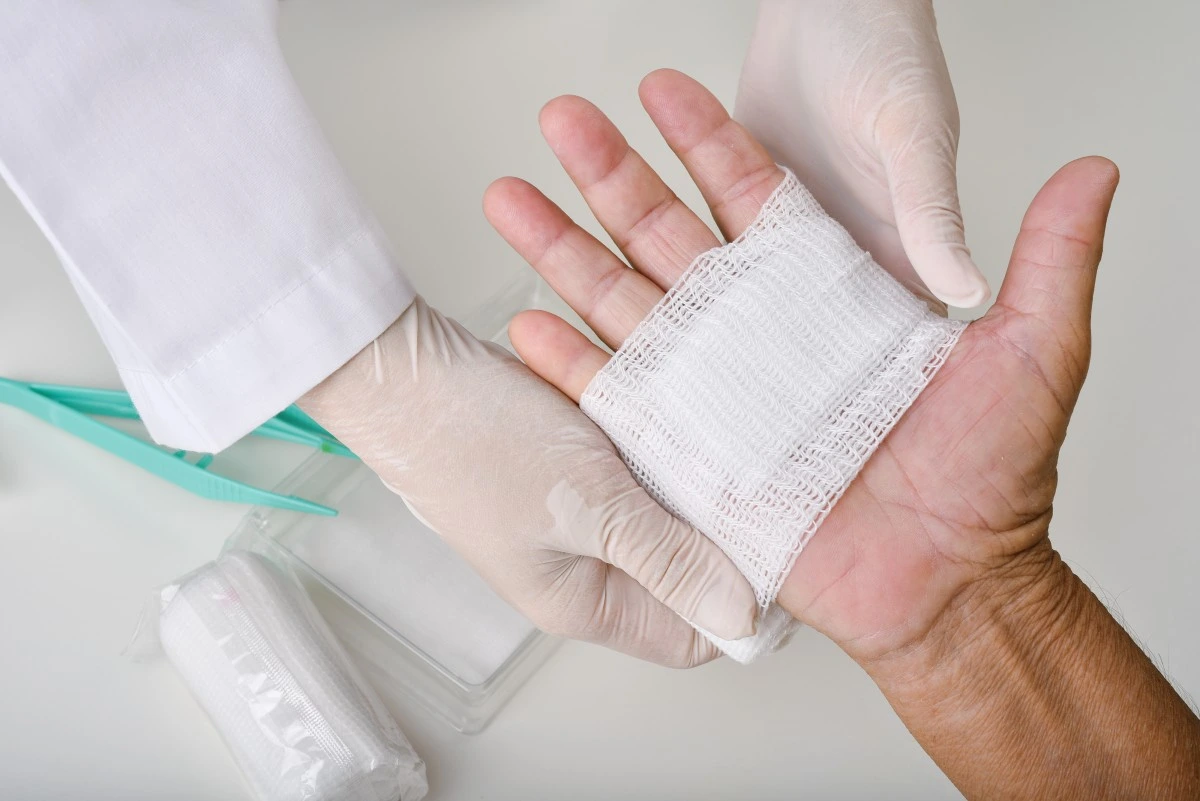
Wounds are a common part of life, but some wounds take much longer to heal and may become serious without proper medical care. In 2026, advanced wound care treatment is becoming increasingly important for patients dealing with chronic wounds, diabetic ulcers, infections, and slow-healing injuries.
Many people ignore wounds that do not heal properly, assuming they will improve on their own. However, untreated wounds can lead to infections, tissue damage, reduced mobility, and other serious health complications.
According to Bellagio Wound Care, specialised wound care treatments focus on improving healing, reducing infection risks, and helping patients recover safely through advanced medical therapies and personalised treatment plans.
Advanced wound care involves specialised medical treatments designed to help chronic or complex wounds heal more effectively.
Unlike basic wound treatment at home, advanced wound care focuses on:
Wound care specialists use modern techniques and therapies to support faster healing and improve patient outcomes.
Several types of wounds may require professional medical treatment if they fail to heal properly.
These include:
Patients with diabetes, poor circulation, or weakened immune systems are often at higher risk for slow-healing wounds.
A wound that does not improve within a few weeks may require professional treatment.
Warning signs include:
Slow-healing wounds can become serious if left untreated.
Diabetes can significantly affect circulation and nerve function, making wound healing much slower.
Even small cuts or blisters can quickly become infected in diabetic patients. Proper diabetic wound care can help reduce the risk of severe complications and improve recovery outcomes.
An infected wound requires immediate medical attention.
Symptoms may include:
Early treatment can help prevent infections from spreading.
| Wound Condition | Common Symptoms | Possible Treatment Options |
| Diabetic Foot Ulcer | Slow healing, numbness, infection | Debridement, wound dressings, diabetic care |
| Pressure Ulcers | Skin breakdown, redness | Pressure relief therapy, wound cleaning |
| Venous Leg Ulcers | Swelling, open sores | Compression therapy, circulation support |
| Surgical Wounds | Delayed healing, drainage | Advanced dressings, infection management |
| Burn Injuries | Blistering, skin damage | Specialised wound therapy, skin protection |
| Infected Wounds | Pus, swelling, pain | Antibiotics, wound debridement |
Modern wound care clinics now offer advanced therapies designed to improve healing and reduce complications.
Debridement involves removing dead or infected tissue from the wound to promote healthy healing.
This treatment can help:
Specialised dressings are designed to maintain proper moisture balance and protect wounds during recovery.
Different types of dressings may be used depending on the wound condition and healing stage.
Treating infections quickly is one of the most important parts of wound care.
Specialists may use:
Compression therapy is commonly used for circulation-related wounds such as venous ulcers.
This treatment helps improve blood flow and reduce swelling.
| Benefit | Why It Matters |
| Faster Healing | Advanced treatments improve recovery time |
| Reduced Infection Risk | Proper care helps prevent serious complications |
| Better Circulation Support | Promotes tissue repair and healing |
| Personalised Treatment Plans | Care is customised for each patient |
| Lower Risk of Hospitalisation | Early treatment helps avoid emergencies |
| Improved Quality of Life | Reduces pain and mobility limitations |
Ignoring chronic wounds can lead to severe complications, including:
Early diagnosis and professional care greatly improve healing outcomes.
Patients can support recovery by following healthy wound care habits.
Helpful tips include:
Proper lifestyle habits can significantly improve healing speed and reduce complications.
Advanced wound care treatment involves specialised therapies designed to help chronic or complex wounds heal properly while reducing infection risks and complications.
You should seek professional care if a wound does not heal within a few weeks, becomes infected, or causes ongoing pain and swelling.
Diabetes can reduce circulation and damage nerves, making it harder for wounds to heal and increasing infection risks.
Common signs include redness, swelling, pus, bad odour, fever, and increasing pain around the wound.
Some minor wounds may heal naturally, but chronic wounds often require professional care to prevent serious complications.
Advanced wound care treatment plays an important role in helping patients recover safely from chronic wounds, diabetic ulcers, infections, and slow-healing injuries. In 2026, patients in Phoenix, Arizona have access to modern wound care therapies designed to improve healing, reduce complications, and support long-term health.
Seeking professional treatment early can help prevent serious medical issues and improve overall recovery outcomes.
To learn more about advanced wound care services and treatment options, visit Bellagio Wound Care Official Website.


Leave a comment