- (480) 788-5621
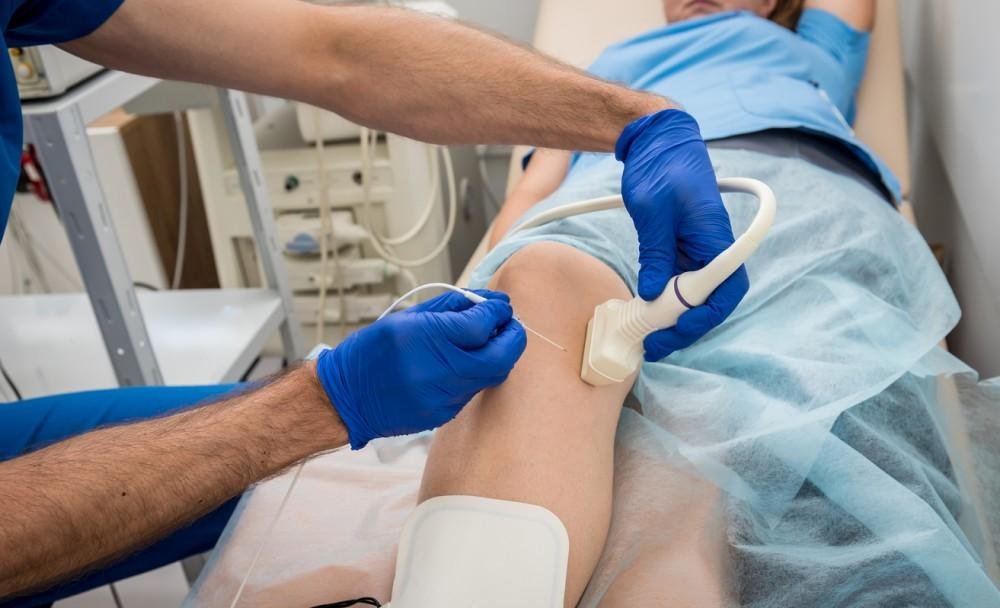
Wounds are expected to heal naturally over time, but for many patients living with diabetes or poor circulation, healing can become slow, complicated, and sometimes dangerous. Even small cuts or sores may develop into chronic wounds when the body does not receive enough blood flow and oxygen to support proper tissue repair.
Across Arizona, vascular-related wounds are becoming increasingly common, especially among older adults and diabetic patients. Without proper medical attention, these wounds can lead to infections, severe tissue damage, and in some cases, hospitalisation or amputation.
Understanding how diabetes and poor circulation affect wound healing is important for recognising symptoms early and seeking the right vascular wound treatment in Arizona before complications become serious.
A vascular wound is a wound that develops because of poor blood circulation. Healthy blood flow is essential for delivering oxygen, nutrients, and immune cells that help the body repair damaged tissue.
When circulation becomes limited, wounds may heal very slowly or stop healing completely.
Vascular wounds commonly affect the:
These wounds may appear as:
Many vascular wounds are linked to diabetes, peripheral artery disease, or venous insufficiency.
Diabetes can significantly slow the body’s natural healing process.
High blood sugar levels may:
Because of reduced feeling caused by diabetic neuropathy, many patients may not notice small injuries until the wound becomes more severe.
Even a minor blister or cut can become infected if left untreated.
Poor circulation means blood is not flowing properly through the body. Without adequate blood supply, tissues cannot receive enough oxygen and nutrients to heal effectively.
Common circulation-related conditions include:
When circulation problems exist, wounds may:
Patients with poor circulation often require specialised vascular wound treatment to improve healing safely.
Some wounds heal slowly because of underlying vascular issues rather than the injury itself.
Warning signs include:
Ignoring these symptoms can increase the risk of severe complications.
| Type of Wound | Common Cause |
| Diabetic Foot Ulcers | Diabetes and nerve damage |
| Arterial Ulcers | Poor blood flow through arteries |
| Venous Ulcers | Damaged leg veins and swelling |
| Pressure Ulcers | Reduced circulation from prolonged pressure |
| Non-Healing Surgical Wounds | Limited blood supply after surgery |
Each wound type requires proper diagnosis and personalised treatment.
Early wound care can prevent complications from becoming life-threatening.
Without proper treatment, vascular wounds may lead to:
The longer a wound remains untreated, the harder it may become to heal.
Seeking medical attention early often improves recovery outcomes significantly.
Treatment depends on the severity of the wound and the underlying circulation problem.
A wound care specialist may recommend:
Removing dead or infected tissue helps promote healthy healing.
Antibiotics or specialised wound dressings may help reduce infection risks.
Often used for venous ulcers to improve blood circulation and reduce swelling.
Controlling diabetes is essential for improving healing and preventing further complications.
Modern wound care products help maintain moisture balance and protect healing tissue.
Doctors may evaluate blood flow to identify circulation problems affecting recovery.
Patients may be advised to:
Managing diabetes properly plays a major role in preventing chronic wounds.
Patients are often encouraged to:
Consistent diabetes management can help reduce the risk of serious foot and vascular complications.
You should seek professional care if:
Specialised wound care can help identify underlying circulation problems and improve healing outcomes.
While not every wound can be prevented, certain habits may lower the risk.
Helpful prevention tips include:
Preventative care is especially important for patients with diabetes or vascular disease.
Diabetes and poor circulation can have a serious impact on the body’s ability to heal wounds properly. Without enough blood flow and oxygen, even small cuts or sores may become chronic wounds that require specialised medical attention.
Seeking early vascular wound treatment in Arizona can help reduce complications, improve healing, and protect long-term health. With proper wound care, diabetes management, and circulation support, many patients can recover successfully and avoid more serious medical problems.
Paying attention to slow-healing wounds today may help prevent major complications tomorrow.
A vascular wound is a wound caused by poor blood circulation, which limits the body’s ability to heal damaged tissue properly.
Diabetes can damage blood vessels, reduce circulation, weaken the immune system, and slow the healing process.
Signs may include swelling, skin discoloration, slow healing, pain, drainage, cold skin, or ulcers on the feet and legs.
Some minor wounds may improve, but vascular wounds often require professional care because circulation problems can delay healing significantly.
Diabetic foot wounds can become infected quickly and may lead to serious complications if not treated early.
Treatment may include wound cleaning, debridement, infection management, compression therapy, blood sugar control, and advanced wound dressings.
You should seek medical attention if a wound does not heal within a few weeks, becomes painful, develops drainage, or shows signs of infection.


Leave a comment