- (480) 788-5621
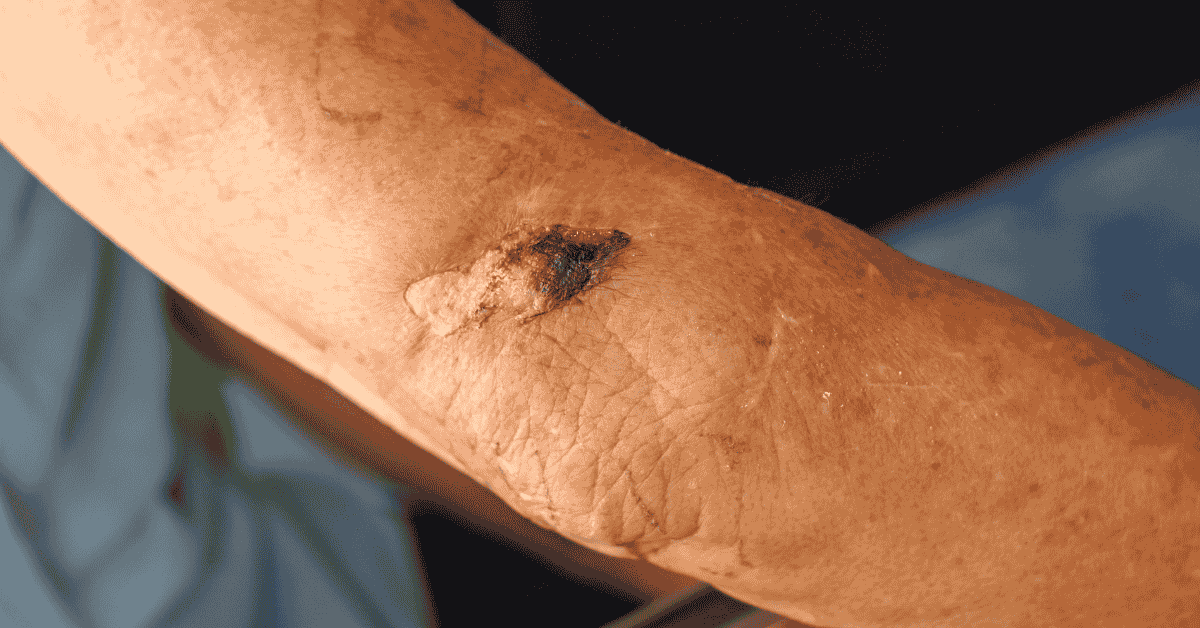
Most minor cuts and injuries heal naturally within a couple of weeks. However, for some individuals, wounds linger for weeks or even months without improvement. These are known as chronic wounds, and they often require specialized medical care to heal properly.
At Bellagio Wound Care, clinicians frequently treat patients who are frustrated and concerned because their wounds simply won’t heal. Understanding why chronic wounds occur is the first step toward getting the right treatment.
A chronic wound is typically defined as a wound that fails to heal within four weeks or does not progress through the normal stages of healing. Instead of gradually closing and forming healthy tissue, the wound may remain open, worsen, or repeatedly become infected.
Common types of chronic wounds include:
Diabetic foot ulcers
Pressure ulcers (bedsores)
Venous leg ulcers
Surgical wounds that fail to heal
Traumatic injuries that remain open
These wounds can be painful and may significantly impact quality of life if left untreated.
Several underlying health conditions can interfere with the body’s natural healing process.
Healthy blood flow is essential for wound healing because it delivers oxygen and nutrients to the affected tissue. Conditions such as peripheral vascular disease or venous insufficiency can reduce circulation, making it harder for wounds to repair themselves.
Diabetes is one of the most common causes of chronic wounds. High blood sugar levels can damage blood vessels and nerves, reducing the body’s ability to heal and increasing the risk of infection.
Bacteria can prevent wounds from closing properly. When infection is present, the body must fight off bacteria before it can focus on tissue repair. Without treatment, infections may spread deeper into the tissue.
Pressure ulcers often occur in patients who are immobile or confined to bed for long periods. Constant pressure restricts blood flow to the skin, which can lead to tissue breakdown.
Other medical issues can slow healing, including:
Poor nutrition
Immune system disorders
Smoking
Advanced age
Certain medications
Because multiple factors may be involved, chronic wounds often require a comprehensive treatment approach.
Chronic wounds rarely heal with basic first aid alone. Instead, they typically require evaluation by a wound care specialist who can identify the root cause of the problem.
Specialized wound care clinics offer treatments that may include:
Debridement (removal of dead tissue)
Advanced wound dressings
Negative pressure wound therapy
Compression therapy
Infection management
Treatment of underlying medical conditions
These therapies help stimulate tissue regeneration and support the body’s natural healing process.
If a wound has not improved after two to four weeks, it is important to seek medical evaluation. Other warning signs that specialized care may be needed include:
Increasing pain or redness
Swelling around the wound
Drainage or foul odor
Fever or signs of infection
Wounds in patients with diabetes or circulation problems
Early treatment can prevent complications and improve healing outcomes.
At Bellagio Wound Care, patients receive individualized care from experienced medical professionals who specialize in complex wound healing. By identifying the underlying cause of non-healing wounds and applying advanced treatment techniques, the team works to help patients heal faster and reduce the risk of recurrence.
If you or a loved one has a wound that isn’t healing as expected, specialized wound care may be the key to restoring health and preventing serious complications.
Most minor cuts and injuries heal naturally within a couple of weeks. However, for some individuals, wounds linger for weeks or even months without improvement. These are known as chronic wounds, and they often require specialized medical care to heal properly.
At Bellagio Wound Care, clinicians frequently treat patients who are frustrated and concerned because their wounds simply won’t heal. Understanding why chronic wounds occur is the first step toward getting the right treatment.
A chronic wound is typically defined as a wound that fails to heal within four weeks or does not progress through the normal stages of healing. Instead of gradually closing and forming healthy tissue, the wound may remain open, worsen, or repeatedly become infected.
Common types of chronic wounds include:
Diabetic foot ulcers
Pressure ulcers (bedsores)
Venous leg ulcers
Surgical wounds that fail to heal
Traumatic injuries that remain open
These wounds can be painful and may significantly impact quality of life if left untreated.
Several underlying health conditions can interfere with the body’s natural healing process.
Healthy blood flow is essential for wound healing because it delivers oxygen and nutrients to the affected tissue. Conditions such as peripheral vascular disease or venous insufficiency can reduce circulation, making it harder for wounds to repair themselves.
Diabetes is one of the most common causes of chronic wounds. High blood sugar levels can damage blood vessels and nerves, reducing the body’s ability to heal and increasing the risk of infection.
Bacteria can prevent wounds from closing properly. When infection is present, the body must fight off bacteria before it can focus on tissue repair. Without treatment, infections may spread deeper into the tissue.
Pressure ulcers often occur in patients who are immobile or confined to bed for long periods. Constant pressure restricts blood flow to the skin, which can lead to tissue breakdown.
Other medical issues can slow healing, including:
Poor nutrition
Immune system disorders
Smoking
Advanced age
Certain medications
Because multiple factors may be involved, chronic wounds often require a comprehensive treatment approach.
Chronic wounds rarely heal with basic first aid alone. Instead, they typically require evaluation by a wound care specialist who can identify the root cause of the problem.
Specialized wound care clinics offer treatments that may include:
Debridement (removal of dead tissue)
Advanced wound dressings
Negative pressure wound therapy
Compression therapy
Infection management
Treatment of underlying medical conditions
These therapies help stimulate tissue regeneration and support the body’s natural healing process.
If a wound has not improved after two to four weeks, it is important to seek medical evaluation. Other warning signs that specialized care may be needed include:
Increasing pain or redness
Swelling around the wound
Drainage or foul odor
Fever or signs of infection
Wounds in patients with diabetes or circulation problems
Early treatment can prevent complications and improve healing outcomes.
At Bellagio Wound Care, patients receive individualized care from experienced medical professionals who specialize in complex wound healing. By identifying the underlying cause of non-healing wounds and applying advanced treatment techniques, the team works to help patients heal faster and reduce the risk of recurrence.
If you or a loved one has a wound that isn’t healing as expected, specialized wound care may be the key to restoring health and preventing serious complications.


Leave a comment