- (480) 788-5621
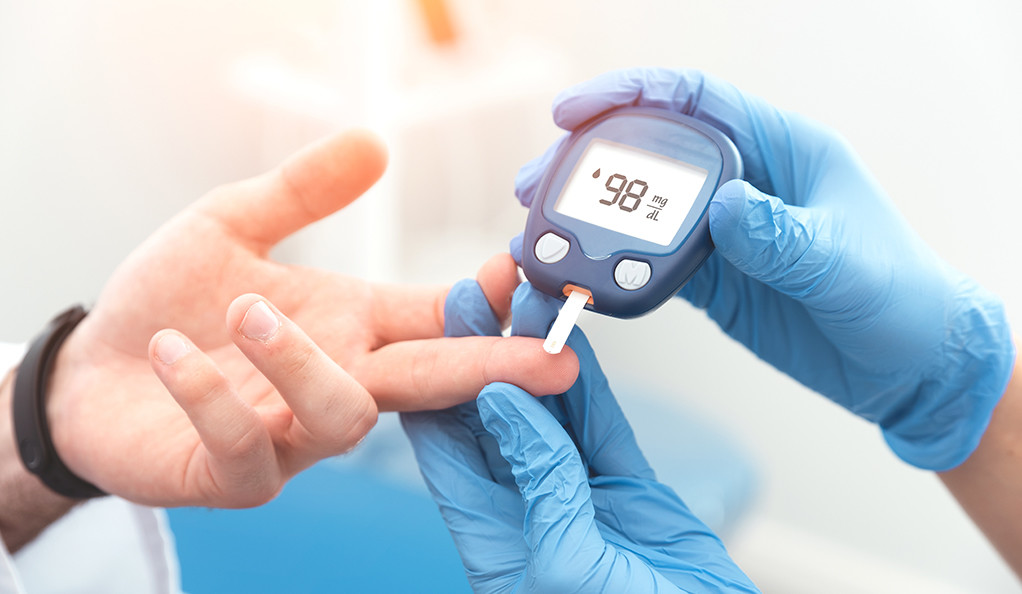
Diabetes is a long-term health condition that affects millions of people every year. While most people focus on blood sugar management, one of the most serious complications of diabetes is slow wound healing. A small cut, blister, or scrape that may heal quickly for another person can become a serious medical issue for someone with diabetes.
Without proper treatment, diabetic wounds can lead to severe infections, tissue damage, hospitalisation, and in extreme cases, amputation. This is why professional diabetic wound care in Phoenix plays such an important role in protecting a patient’s overall health and quality of life.
Understanding how diabetic wounds develop, recognising early warning signs, and seeking timely treatment can help prevent complications before they become dangerous.
A diabetic wound is any injury that heals slowly because diabetes affects the body’s natural healing process. These wounds are most commonly found on the feet, toes, ankles, and lower legs, although they can appear anywhere on the body.
People with diabetes often experience poor blood circulation and nerve damage, both of which make wound healing more difficult. In many cases, patients may not even notice an injury immediately because nerve damage reduces sensation in the affected area.
By the time the wound becomes visible or painful, it may already be infected or worsening.
Several medical factors contribute to delayed healing in diabetic patients.
| Cause | Impact on Healing |
| Poor Blood Circulation | Limits oxygen and nutrients needed for tissue repair |
| Nerve Damage | Prevents patients from noticing injuries early |
| High Blood Sugar Levels | Weakens the immune system |
| Increased Infection Risk | Allows bacteria to spread quickly |
| Chronic Inflammation | Slows the body’s healing response |
These complications can make even a small wound difficult to heal without professional care.
Different types of wounds can affect diabetic patients depending on their condition and lifestyle.
Diabetic foot ulcers are open sores that commonly appear on the bottom of the feet. They are one of the leading causes of hospital visits among diabetic patients.
These ulcers often develop because of pressure, friction, or unnoticed injuries.
Patients with limited mobility may develop pressure sores from sitting or lying in one position for extended periods.
After surgery, diabetic patients may experience slower recovery and increased risk of infection due to poor circulation.
Even minor cuts or blisters can become infected quickly if they are not treated properly.
Early treatment is critical for preventing serious complications. Ignoring symptoms can allow infections to spread deeper into tissues and bones.
| Warning Sign | Possible Concern |
| Redness or swelling | Early infection |
| Warm skin around the wound | Inflammation |
| Drainage or pus | Bacterial infection |
| Bad odour | Tissue damage |
| Blackened skin | Poor circulation or tissue death |
| Persistent pain | Deep infection |
| Fever or chills | Infection spreading through the body |
| Slow healing | Chronic wound development |
If you notice any of these symptoms, seeking diabetic wound care in Phoenix as soon as possible is important.
Blood circulation plays a major role in wound healing. Healthy blood flow carries oxygen, nutrients, and infection-fighting cells to injured tissue.
However, diabetes can damage blood vessels over time. Reduced circulation means wounds receive fewer nutrients and heal more slowly.
Poor circulation also increases the risk of:
Skin breakdown
Infections
Nerve damage
Tissue death
Chronic ulcers
This is one reason why diabetic foot wounds are so common.
Diabetic neuropathy is a condition that damages nerves, especially in the feet and legs.
Patients with neuropathy may experience:
Tingling sensations
Burning pain
Numbness
Reduced sensitivity
Because sensation is reduced, many people do not realise they have injured themselves. A small blister caused by tight shoes may go unnoticed for days, giving bacteria time to spread.
Daily foot inspections are extremely important for diabetic patients.
Home remedies alone are often not enough for diabetic wounds. Professional wound care specialists use advanced treatments designed to improve healing while reducing infection risks.
Debridement removes dead or infected tissue from the wound. This helps healthy tissue grow more effectively.
Modern wound dressings create a protective environment that supports healing and prevents bacteria from entering the wound.
Doctors may prescribe antibiotics or antimicrobial treatments to control infection.
Vacuum-assisted closure (VAC) therapy uses negative pressure to remove excess fluid and stimulate blood flow.
Every diabetic wound is different. Specialists create customised care plans based on wound severity, circulation, and overall health.
Modern wound care clinics often provide advanced therapies to support faster recovery.
| Treatment Type | Benefit |
| Debridement | Removes dead tissue |
| Hyperbaric Oxygen Therapy | Increases oxygen delivery |
| VAC Therapy | Promotes tissue growth |
| Skin Substitutes | Supports healing in severe wounds |
| Compression Therapy | Improves circulation |
| Antimicrobial Dressings | Reduces infection risk |
These treatments are especially helpful for chronic or non-healing wounds.
Prevention is one of the most effective ways to avoid serious complications.
Check for cuts, blisters, swelling, redness, or skin changes.
Stable blood sugar improves circulation and supports healing.
Comfortable diabetic shoes reduce pressure points and protect the feet.
Moisture can increase bacterial growth and infection risks.
Stepping on sharp objects can cause injuries that may go unnoticed.
Exercise improves blood circulation throughout the body.
Routine medical visits can help detect circulation or nerve problems early.
| Daily Habit | Why It Matters |
| Inspect feet daily | Detects wounds early |
| Wash feet with mild soap | Reduces bacteria |
| Dry feet properly | Prevents fungal infections |
| Moisturise dry skin | Prevents cracks |
| Wear clean socks | Protects skin |
| Check shoes before wearing | Avoids hidden injuries |
| Monitor blood sugar | Supports faster healing |
Following these simple habits consistently can greatly reduce complications.
Ignoring a diabetic wound can lead to severe health problems.
Bacteria can spread quickly through untreated wounds.
Deep infections may reach the bones, causing osteomyelitis.
Poor circulation can cause tissue death, sometimes requiring surgery.
Untreated diabetic foot ulcers are one of the leading causes of lower limb amputations.
Early treatment significantly lowers these risks.
Many patients wait too long before seeking treatment. You should visit a specialist if:
A wound does not improve within a few days
Swelling or redness increases
Drainage develops
Pain becomes worse
Skin changes colour
Fever or chills appear
Prompt care can prevent complications and improve recovery.
Seeking diabetic wound care in Phoenix early offers several benefits:
| Benefit | Result |
| Faster Healing | Reduces recovery time |
| Lower Infection Risk | Prevents complications |
| Better Mobility | Helps maintain daily activities |
| Reduced Pain | Improves comfort |
| Lower Amputation Risk | Protects long-term health |
Early intervention can make a major difference in treatment success.
Finding an experienced wound care specialist is important for proper treatment and long-term management.
Look for a clinic that offers:
Advanced wound care technology
Experienced medical professionals
Personalised treatment plans
Infection management services
Diabetic foot care support
Ongoing monitoring and education
A trusted provider can help patients manage wounds more effectively while preventing future complications.
Diabetic wounds should never be ignored. What may appear to be a small injury can quickly become a serious medical problem without proper care. Poor circulation, nerve damage, and infection risks all make wound healing more difficult for diabetic patients.
Professional diabetic wound care in Phoenix provides specialised treatments designed to improve healing, reduce complications, and protect long-term health. Early treatment, daily preventive care, and regular medical monitoring are essential for avoiding serious outcomes.
Taking action early can help patients recover faster, stay active, and maintain a healthier quality of life.
Diabetic wound care is specialised medical treatment for wounds that heal slowly because of diabetes.
They can become infected quickly and may lead to severe complications if left untreated.
Healing time varies depending on the wound severity, blood sugar levels, and circulation.
Redness, swelling, drainage, warmth, bad odour, and pain are common signs.
Minor wounds may heal slowly, but professional treatment is often needed to prevent infection.
Blood sugar control, proper wound care, healthy circulation, and medical treatment all help improve healing.
Most treatments are designed to minimise discomfort while promoting healing.
You should seek medical attention if a wound is not healing, becomes infected, or worsens over time.


Leave a comment