- (480) 788-5621
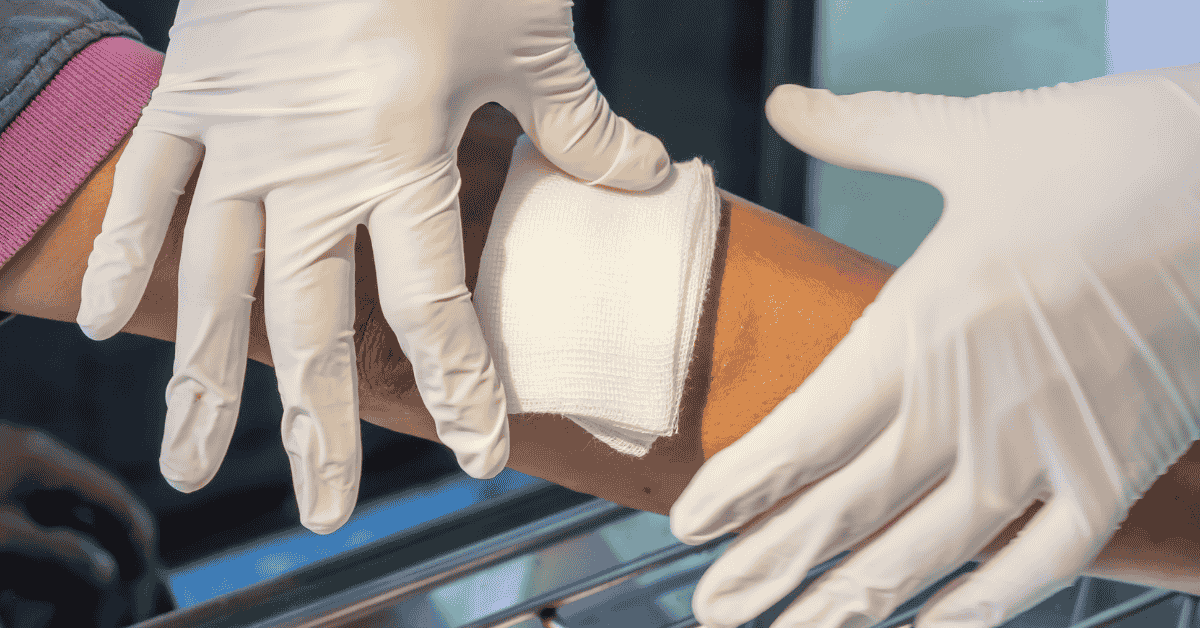
When it comes to wound healing, we often focus solely on treating the wound itself—but the health of your circulatory system plays a vital, often overlooked role in the recovery process. At Bellagio Wound Care, we frequently see wounds that wouldn’t heal, not due to negligence or improper care, but because poor circulation hindered the body’s ability to deliver the nutrients and oxygen necessary for repair.
In this post, we’ll explore how inadequate blood flow impacts wound healing, the types of wounds that are most affected, how we diagnose issues, the state-of-the-art therapies we offer, and, most importantly, why seeking comprehensive treatment can make all the difference.
What’s happening beneath the skin: Blood delivers vital elements—oxygen, nutrients, immune cells—to every tissue. When circulation is compromised—due to conditions like peripheral vascular disease, diabetes, or venous insufficiency—the wound site becomes starved of its “repair team.” Without adequate perfusion, wounds may stagnate in the inflammatory phase, stay open, or deteriorate.
At Bellagio Wound Care, we assess for vascular insufficiency, peripheral vascular disease, and related conditions as part of every evaluation. Our board-certified team evaluates your wound in the context of overall circulatory health to develop a comprehensive treatment plan.
Diabetic ulcers: Especially prone to chronicity due to vascular and nerve damage
Venous ulcers: Often develop on lower legs when blood pools instead of returning to the heart
Pressure ulcers (bed sores): Aggravated by immobility and poor perfusion
Non-healing surgical or traumatic wounds related to vascular compromise.
Our approach goes beyond wound surface care—it’s about restoring proper blood flow and healing from within.
Your care begins with an expert assessment. Our physicians—board-certified surgeons specializing in wound healing—evaluate both the wound and underlying vascular factors to tailor a targeted care plan.
Removing excess fibrin and nonviable tissue through thorough debridement clears the way for new, healthy tissue to flourish.
Also known as negative pressure wound therapy (NPWT), this modality helps draw fluid away, reduce edema, and promote blood flow to the wound bed. Studies show NPWT accelerates healing in diabetic ulcers by improving microcirculation and stimulating tissue growth.
For venous insufficiency or lymphedema-related wounds, Unna boots reduce swelling and enhance venous return—creating an environment more conducive to healing.
If needed, our surgical team can repair complex wounds with flap surgeries or advanced closure techniques designed to improve blood supply and tissue viability.
Choosing the right footwear, using orthotics, and engaging in guided movement (or range-of-motion exercises for those less mobile) can reduce pressure, improve circulation, and help prevent worsening wounds.
Proper nutrition fuels healing. We guide patients toward diets rich in protein, vitamins A, C, D, E, and zinc—especially important when healing requires extra metabolic energy.
Stay active, if you can—leg movement improves venous return
Elevate the affected area, especially in venous wounds
Avoid compression without evaluation—some vascular wounds require tailored compression strategies
Eat heal-supporting foods, including lean proteins and vitamin-rich produce
Keep wounds clean and covered, and monitor for signs of infection
If a wound fails to improve after four weeks of home care, it’s time to seek expert treatment. Bellagio Wound Care’s multidisciplinary approach identifies circulation problems early and deploys advanced treatments to avoid complications like infection or tissue loss.
Wound healing isn’t just about what you apply on the surface—it’s about what’s happening underneath. If you’re concerned that poor circulation may be slowing your healing, our team is here to help.
Schedule an appointment today at Bellagio Wound Care to begin a personalized path toward better healing and recovery.
When it comes to wound healing, we often focus solely on treating the wound itself—but the health of your circulatory system plays a vital, often overlooked role in the recovery process. At Bellagio Wound Care, we frequently see wounds that wouldn’t heal, not due to negligence or improper care, but because poor circulation hindered the body’s ability to deliver the nutrients and oxygen necessary for repair.
In this post, we’ll explore how inadequate blood flow impacts wound healing, the types of wounds that are most affected, how we diagnose issues, the state-of-the-art therapies we offer, and, most importantly, why seeking comprehensive treatment can make all the difference.
What’s happening beneath the skin: Blood delivers vital elements—oxygen, nutrients, immune cells—to every tissue. When circulation is compromised—due to conditions like peripheral vascular disease, diabetes, or venous insufficiency—the wound site becomes starved of its “repair team.” Without adequate perfusion, wounds may stagnate in the inflammatory phase, stay open, or deteriorate.
At Bellagio Wound Care, we assess for vascular insufficiency, peripheral vascular disease, and related conditions as part of every evaluation. Our board-certified team evaluates your wound in the context of overall circulatory health to develop a comprehensive treatment plan.
Diabetic ulcers: Especially prone to chronicity due to vascular and nerve damage
Venous ulcers: Often develop on lower legs when blood pools instead of returning to the heart
Pressure ulcers (bed sores): Aggravated by immobility and poor perfusion
Non-healing surgical or traumatic wounds related to vascular compromise.
Our approach goes beyond wound surface care—it’s about restoring proper blood flow and healing from within.
Your care begins with an expert assessment. Our physicians—board-certified surgeons specializing in wound healing—evaluate both the wound and underlying vascular factors to tailor a targeted care plan.
Removing excess fibrin and nonviable tissue through thorough debridement clears the way for new, healthy tissue to flourish.
Also known as negative pressure wound therapy (NPWT), this modality helps draw fluid away, reduce edema, and promote blood flow to the wound bed. Studies show NPWT accelerates healing in diabetic ulcers by improving microcirculation and stimulating tissue growth.
For venous insufficiency or lymphedema-related wounds, Unna boots reduce swelling and enhance venous return—creating an environment more conducive to healing.
If needed, our surgical team can repair complex wounds with flap surgeries or advanced closure techniques designed to improve blood supply and tissue viability.
Choosing the right footwear, using orthotics, and engaging in guided movement (or range-of-motion exercises for those less mobile) can reduce pressure, improve circulation, and help prevent worsening wounds.
Proper nutrition fuels healing. We guide patients toward diets rich in protein, vitamins A, C, D, E, and zinc—especially important when healing requires extra metabolic energy.
Stay active, if you can—leg movement improves venous return
Elevate the affected area, especially in venous wounds
Avoid compression without evaluation—some vascular wounds require tailored compression strategies
Eat heal-supporting foods, including lean proteins and vitamin-rich produce
Keep wounds clean and covered, and monitor for signs of infection
If a wound fails to improve after four weeks of home care, it’s time to seek expert treatment. Bellagio Wound Care’s multidisciplinary approach identifies circulation problems early and deploys advanced treatments to avoid complications like infection or tissue loss.
Wound healing isn’t just about what you apply on the surface—it’s about what’s happening underneath. If you’re concerned that poor circulation may be slowing your healing, our team is here to help.
Schedule an appointment today at Bellagio Wound Care to begin a personalized path toward better healing and recovery.


Leave a comment