- (480) 788-5621
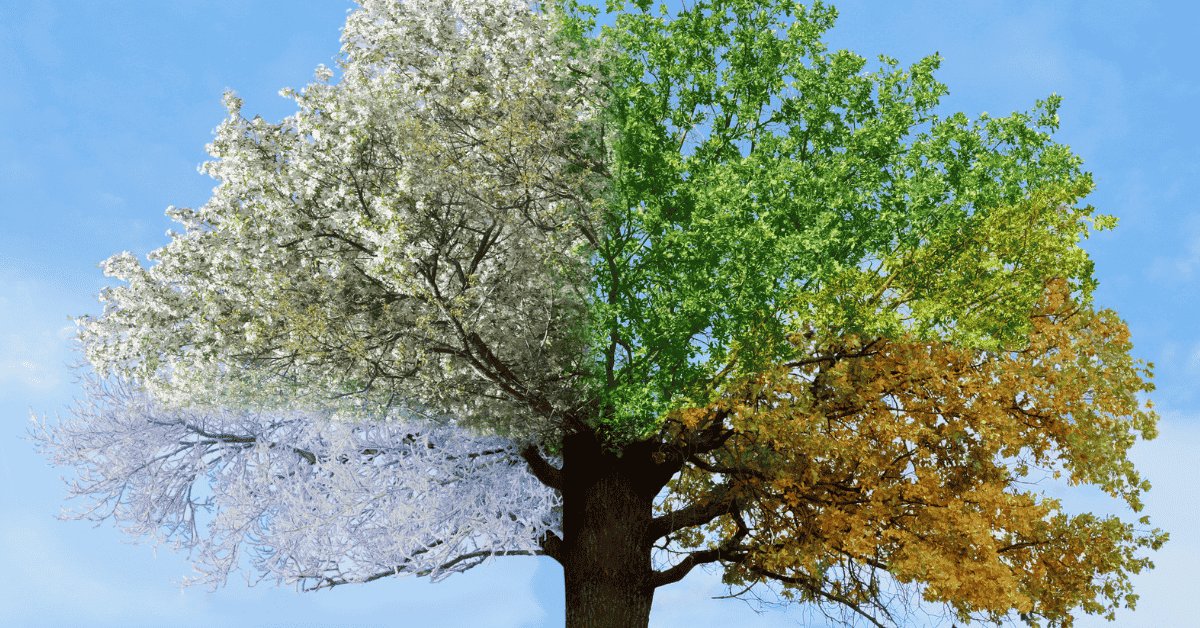
Many people don’t realize that weather and seasonal changes can significantly impact wound healing. Temperature, humidity, and environmental conditions all influence how the body repairs damaged tissue.
At Bellagio Wound Care, specialists often see seasonal patterns in wound healing—some wounds worsen in extreme heat, while others struggle in colder months.
Understanding how weather affects your body can help you take the right steps to protect your healing process year-round.
Warm weather brings unique challenges for wound healing.
Excess moisture from sweat can:
Moist environments can make it harder for wounds to stay clean and protected.
Heat can promote bacterial growth, especially if wounds are exposed or not properly covered. Outdoor activities may also increase exposure to dirt and contaminants.
Hot temperatures can cause blood vessels to expand, leading to swelling—particularly in the legs. This can worsen conditions like venous ulcers.
Cold weather also presents challenges that can slow healing.
Cold temperatures can cause blood vessels to constrict, reducing blood flow to the skin. This limits the delivery of oxygen and nutrients needed for healing.
Low humidity can dry out the skin, making it more prone to cracking and irritation. Dry skin can also slow the healing process and increase discomfort.
People tend to be less active during colder months, which can negatively affect circulation and overall health.
No matter the season, there are steps you can take to support wound healing.
Weather-related factors can make wound healing more complex, especially for individuals with underlying conditions like diabetes or poor circulation.
At Bellagio Wound Care, specialists develop personalized treatment plans that take environmental and lifestyle factors into account.
Wound healing doesn’t happen in isolation—it’s influenced by your environment, habits, and overall health. If you notice that your wound worsens during certain times of the year, it may be time to seek professional care.
With the right support, you can keep your healing on track no matter the season.
Many people don’t realize that weather and seasonal changes can significantly impact wound healing. Temperature, humidity, and environmental conditions all influence how the body repairs damaged tissue.
At Bellagio Wound Care, specialists often see seasonal patterns in wound healing—some wounds worsen in extreme heat, while others struggle in colder months.
Understanding how weather affects your body can help you take the right steps to protect your healing process year-round.
Warm weather brings unique challenges for wound healing.
Excess moisture from sweat can:
Moist environments can make it harder for wounds to stay clean and protected.
Heat can promote bacterial growth, especially if wounds are exposed or not properly covered. Outdoor activities may also increase exposure to dirt and contaminants.
Hot temperatures can cause blood vessels to expand, leading to swelling—particularly in the legs. This can worsen conditions like venous ulcers.
Cold weather also presents challenges that can slow healing.
Cold temperatures can cause blood vessels to constrict, reducing blood flow to the skin. This limits the delivery of oxygen and nutrients needed for healing.
Low humidity can dry out the skin, making it more prone to cracking and irritation. Dry skin can also slow the healing process and increase discomfort.
People tend to be less active during colder months, which can negatively affect circulation and overall health.
No matter the season, there are steps you can take to support wound healing.
Weather-related factors can make wound healing more complex, especially for individuals with underlying conditions like diabetes or poor circulation.
At Bellagio Wound Care, specialists develop personalized treatment plans that take environmental and lifestyle factors into account.
Wound healing doesn’t happen in isolation—it’s influenced by your environment, habits, and overall health. If you notice that your wound worsens during certain times of the year, it may be time to seek professional care.
With the right support, you can keep your healing on track no matter the season.


Leave a comment