- (480) 788-5621
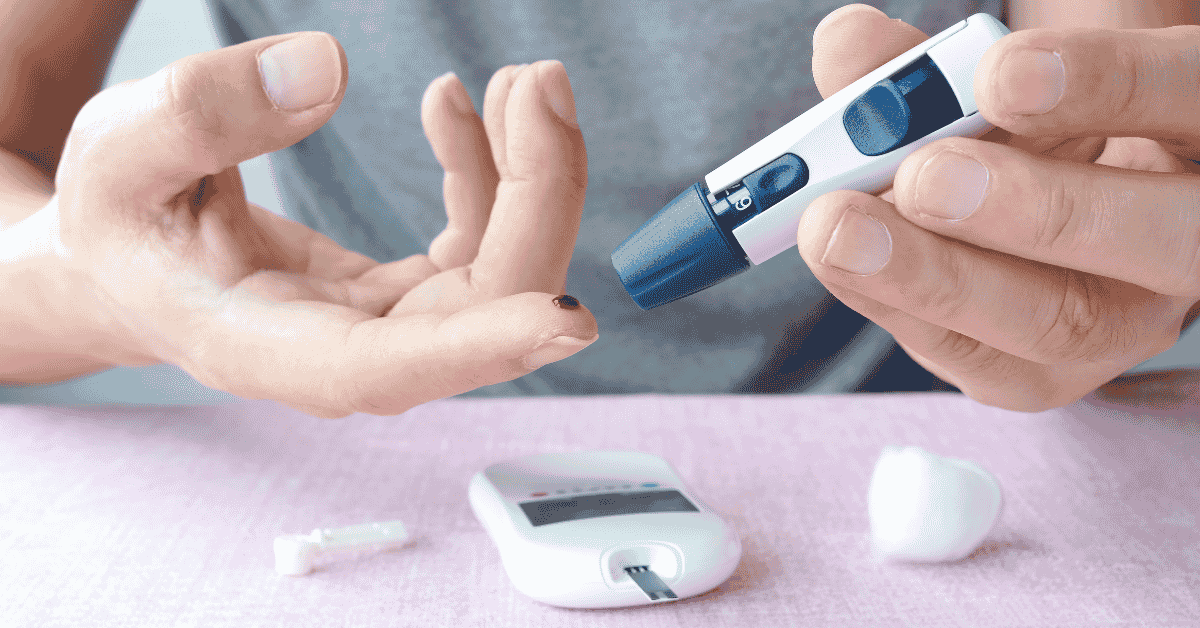
For this reason, individuals with diabetes are at a much higher risk of developing slow-healing wounds and ulcers, particularly on the feet and lower legs. At Bellagio Wound Care, specialists frequently treat diabetic wounds and help patients prevent serious complications through advanced medical care.
Understanding how diabetes affects wound healing can help patients recognize risks early and seek treatment before problems become severe.
Wound healing is a complex biological process involving blood circulation, immune response, and tissue regeneration. Diabetes can interfere with each of these critical steps.
One of the primary complications of diabetes is damage to blood vessels. Poor circulation limits the amount of oxygen and nutrients that reach injured tissue.
Without adequate blood flow, wounds cannot repair themselves efficiently, and healing may take significantly longer than usual.
Diabetes can also cause nerve damage, particularly in the feet. This condition, known as diabetic neuropathy, may reduce sensation in the affected areas.
As a result, patients may not notice:
cuts
blisters
pressure sores
small injuries
Because these wounds often go untreated initially, they may worsen over time and develop infections.
High blood sugar levels can weaken the body’s immune system, making it harder to fight off bacteria and infections. This increases the risk that even a small wound can become infected.
Infections can further delay healing and lead to more serious complications if not treated promptly.
One of the most common complications of diabetes is the development of diabetic foot ulcers. These are open sores that typically appear on the bottom or sides of the foot.
Foot ulcers may begin as minor injuries, but because of poor circulation and reduced sensation, they can quickly become chronic wounds.
Symptoms of a diabetic foot ulcer may include:
redness or swelling
drainage from the wound
skin discoloration
persistent open sores
Without proper treatment, these ulcers can worsen and may eventually lead to severe infections.
Prevention is an essential part of managing wound risks for people with diabetes. Patients are often advised to:
check their feet daily for injuries
wear properly fitted footwear
keep blood sugar levels under control
maintain good hygiene and skin care
seek medical attention for wounds that do not heal
Even small injuries should be monitored carefully, as early treatment can prevent serious complications.
If a wound does not show signs of improvement within two weeks, it is important to seek professional medical care.
Patients with diabetes should also seek evaluation if they notice:
wounds that continue to grow
signs of infection
increasing pain or swelling
wounds on the feet or lower legs
Specialized wound care clinics are equipped to treat diabetic wounds using advanced techniques designed to support healing.
At Bellagio Wound Care, patients with diabetic wounds receive comprehensive evaluations to determine the underlying causes of delayed healing.
Treatment plans may include:
removal of damaged tissue (debridement)
advanced wound dressings
infection management
therapies that stimulate tissue regeneration
strategies to improve circulation and protect the affected area
By addressing both the wound and the underlying medical condition, specialized care helps improve healing outcomes and reduce the risk of complications.
Diabetes requires ongoing management, and wound care is an important part of maintaining overall health. With proper monitoring, preventative care, and timely treatment, many diabetic wounds can heal successfully.
Seeking specialized care early can make a significant difference in preventing complications and promoting long-term healing.
Diabetes is one of the most common conditions associated with chronic wounds. While many people with diabetes manage their health successfully, high blood sugar levels can affect several systems in the body that are essential for proper wound healing.
For this reason, individuals with diabetes are at a much higher risk of developing slow-healing wounds and ulcers, particularly on the feet and lower legs. At Bellagio Wound Care, specialists frequently treat diabetic wounds and help patients prevent serious complications through advanced medical care.
Understanding how diabetes affects wound healing can help patients recognize risks early and seek treatment before problems become severe.
Wound healing is a complex biological process involving blood circulation, immune response, and tissue regeneration. Diabetes can interfere with each of these critical steps.
One of the primary complications of diabetes is damage to blood vessels. Poor circulation limits the amount of oxygen and nutrients that reach injured tissue.
Without adequate blood flow, wounds cannot repair themselves efficiently, and healing may take significantly longer than usual.
Diabetes can also cause nerve damage, particularly in the feet. This condition, known as diabetic neuropathy, may reduce sensation in the affected areas.
As a result, patients may not notice:
cuts
blisters
pressure sores
small injuries
Because these wounds often go untreated initially, they may worsen over time and develop infections.
High blood sugar levels can weaken the body’s immune system, making it harder to fight off bacteria and infections. This increases the risk that even a small wound can become infected.
Infections can further delay healing and lead to more serious complications if not treated promptly.
One of the most common complications of diabetes is the development of diabetic foot ulcers. These are open sores that typically appear on the bottom or sides of the foot.
Foot ulcers may begin as minor injuries, but because of poor circulation and reduced sensation, they can quickly become chronic wounds.
Symptoms of a diabetic foot ulcer may include:
redness or swelling
drainage from the wound
skin discoloration
persistent open sores
Without proper treatment, these ulcers can worsen and may eventually lead to severe infections.
Prevention is an essential part of managing wound risks for people with diabetes. Patients are often advised to:
check their feet daily for injuries
wear properly fitted footwear
keep blood sugar levels under control
maintain good hygiene and skin care
seek medical attention for wounds that do not heal
Even small injuries should be monitored carefully, as early treatment can prevent serious complications.
If a wound does not show signs of improvement within two weeks, it is important to seek professional medical care.
Patients with diabetes should also seek evaluation if they notice:
wounds that continue to grow
signs of infection
increasing pain or swelling
wounds on the feet or lower legs
Specialized wound care clinics are equipped to treat diabetic wounds using advanced techniques designed to support healing.
At Bellagio Wound Care, patients with diabetic wounds receive comprehensive evaluations to determine the underlying causes of delayed healing.
Treatment plans may include:
removal of damaged tissue (debridement)
advanced wound dressings
infection management
therapies that stimulate tissue regeneration
strategies to improve circulation and protect the affected area
By addressing both the wound and the underlying medical condition, specialized care helps improve healing outcomes and reduce the risk of complications.
Diabetes requires ongoing management, and wound care is an important part of maintaining overall health. With proper monitoring, preventative care, and timely treatment, many diabetic wounds can heal successfully.
Seeking specialized care early can make a significant difference in preventing complications and promoting long-term healing.


Leave a comment