- (480) 788-5621
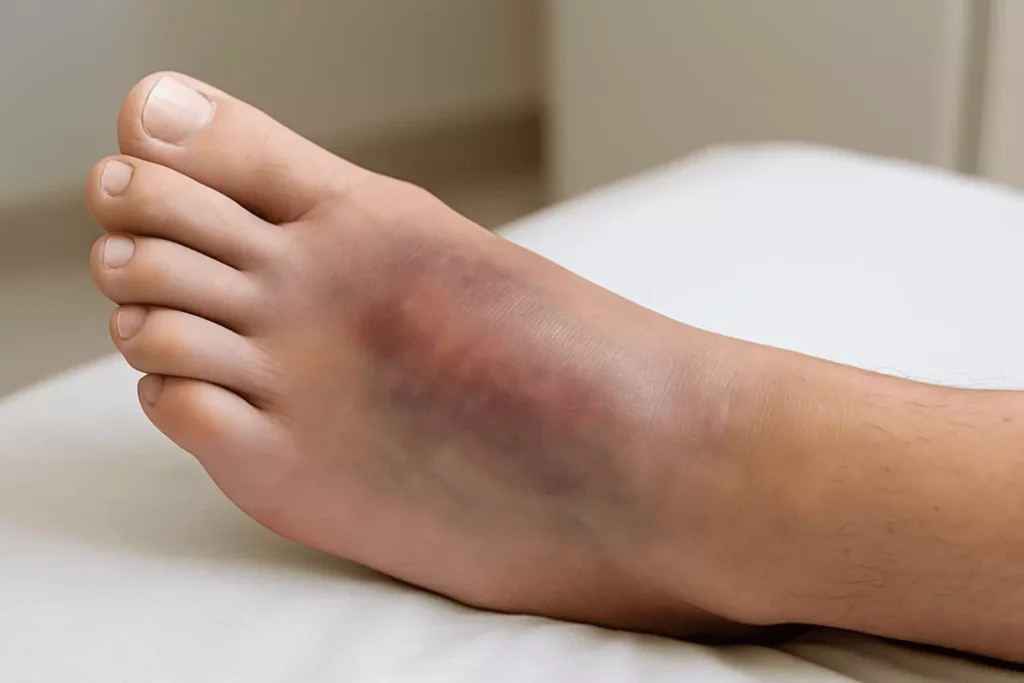
Diabetes can affect many parts of the body, but foot health is one of the most overlooked concerns. Even a small wound or blister can quickly become a serious infection if left untreated. This is why seeking professional Diabetic Foot Ulcer Treatment in Phoenix as early as possible is critical for preventing complications and protecting long-term mobility.
At Bellagio Wound Care, advanced wound care specialists provide personalised treatment plans designed to help diabetic foot ulcers heal safely and effectively.
A diabetic foot ulcer is an open sore or wound that commonly develops on the bottom of the foot in people with diabetes. High blood sugar levels can damage nerves and reduce blood circulation, making it difficult for wounds to heal properly.
Without timely Diabetic Foot Ulcer Treatment in Phoenix, ulcers may become infected and lead to severe complications, including tissue damage or amputation.
Several factors increase the risk of diabetic foot ulcers.
| Cause | How It Affects the Feet |
| Poor Blood Circulation | Slows wound healing |
| Nerve Damage (Neuropathy) | Reduces ability to feel pain or injury |
| High Blood Sugar | Weakens immune response |
| Foot Deformities | Creates pressure points on the feet |
| Poor Foot Hygiene | Increases infection risk |
| Ill-Fitting Shoes | Causes friction and skin breakdown |
| Smoking | Reduces oxygen flow to tissues |
Professional Diabetic Foot Ulcer Treatment in Phoenix helps identify and manage these underlying risk factors.
Early detection is extremely important for successful treatment.
If you notice any of these symptoms, immediate Diabetic Foot Ulcer Treatment in Phoenix is strongly recommended.
Ignoring a diabetic foot ulcer can lead to serious health complications.
| Complication | Possible Outcome |
| Infection | Spreading bacteria and tissue damage |
| Cellulitis | Serious skin infection |
| Bone Infection | Damage to deeper tissues and bones |
| Gangrene | Tissue death due to poor circulation |
| Amputation | Loss of toes, foot, or leg |
Early Diabetic Foot Ulcer Treatment in Phoenix significantly improves healing outcomes and reduces the risk of limb-threatening complications.
Treatment plans depend on the severity of the wound and the patient’s overall health.
Removing dead or infected tissue helps promote healthy healing.
Special wound dressings protect the ulcer and maintain a healthy healing environment.
Antibiotics may be prescribed if infection is present.
Custom footwear, orthotics, or walking boots help reduce pressure on the affected area.
Controlling glucose levels is essential for faster healing.
Improving blood circulation may help chronic wounds heal more effectively.
Modern wound care treatments may include:
Professional Diabetic Foot Ulcer Treatment in Phoenix focuses on healing wounds while preventing future complications.
Preventative care is one of the best ways to protect foot health.
| Prevention Tip | Benefit |
| Check Feet Daily | Detects cuts or sores early |
| Wear Proper Footwear | Reduces friction and pressure |
| Control Blood Sugar | Supports healthy circulation |
| Keep Feet Clean and Dry | Prevents infection |
| Avoid Walking Barefoot | Protects feet from injury |
| Trim Toenails Carefully | Prevents skin damage |
| Schedule Regular Foot Exams | Detects problems before they worsen |
Routine care and early intervention can reduce the need for advanced Diabetic Foot Ulcer Treatment in Phoenix.
The fastest way to heal a diabetic foot ulcer is through early medical treatment, proper wound cleaning, pressure relief, infection control, and stable blood sugar management.
Yes, many diabetic foot ulcers can heal completely with proper medical care, wound management, and lifestyle changes.
A diabetic foot ulcer may appear as an open sore, red wound, blister, or draining lesion on the foot, often surrounded by thickened skin or swelling.
You should seek immediate medical care if the wound becomes swollen, painful, infected, produces drainage, or does not improve within a few days.
Yes, excessive pressure from walking can worsen the ulcer and slow healing. Doctors often recommend reducing pressure on the affected foot.
Treatment may include wound cleaning, debridement, antibiotics, advanced dressings, pressure offloading, and specialised wound therapies.
High blood sugar levels can damage blood vessels and nerves, reducing circulation and slowing the body’s natural healing process.
Yes, untreated or severely infected ulcers can increase the risk of amputation. Early treatment greatly lowers this risk.
Supportive diabetic footwear with cushioning and pressure relief features is often recommended to reduce irritation and improve healing.
Daily foot checks, proper hygiene, blood sugar control, and wearing protective footwear are essential for preventing foot complications.
You should seek professional care if:
Early Diabetic Foot Ulcer Treatment in Phoenix can help prevent serious complications and improve recovery outcomes.
Diabetic foot ulcers should never be ignored. Early diagnosis and proper wound care can prevent infections, reduce healing time, and help protect your mobility and overall health.
If you or a loved one is experiencing foot wounds or diabetic complications, professional Diabetic Foot Ulcer Treatment in Phoenix can provide the advanced care needed for safe and effective healing.
To learn more about advanced wound healing and diabetic care services, visit Bellagio Wound Care.


Leave a comment