- (480) 788-5621
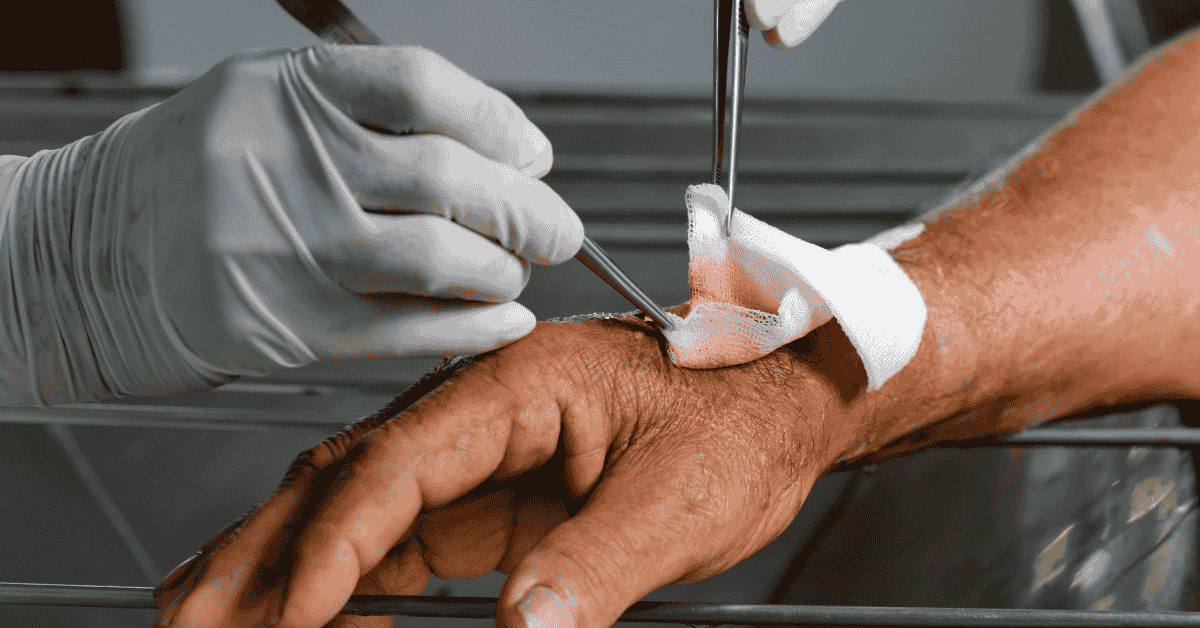
Advanced wound care treatments are designed to help the body recover when normal healing processes have slowed or stopped. At Bellagio Wound Care, specialists use modern wound care techniques that address both the wound itself and the underlying conditions preventing healing.
Understanding the available treatment options can help patients feel more confident about seeking professional wound care.
A wound may require advanced treatment if it:
does not improve within two to four weeks
becomes infected
repeatedly reopens
occurs in patients with diabetes or circulation problems
Chronic wounds often require specialized medical attention because multiple factors may be affecting the body’s ability to repair damaged tissue.
Advanced wound care focuses on restoring the conditions needed for healthy healing.
One of the most effective modern wound treatments is negative pressure wound therapy, often referred to as wound VAC therapy.
This treatment uses a controlled vacuum system to remove fluid and bacteria from the wound while promoting blood flow to the surrounding tissue.
Benefits of this therapy include:
reduced swelling
improved circulation
removal of excess drainage
stimulation of tissue growth
Negative pressure therapy is commonly used for surgical wounds, diabetic ulcers, and other chronic wounds.
Modern wound dressings are designed to maintain the ideal environment for healing. Unlike traditional bandages, advanced dressings can help control moisture, reduce infection risk, and protect fragile tissue.
Some dressings also contain antimicrobial agents that help prevent bacterial growth.
Your wound care provider will select the most appropriate dressing based on the type and severity of the wound.
Debridement is the process of removing dead or infected tissue from a wound. This allows healthy tissue to grow and prevents bacteria from spreading.
In many cases, repeated debridement sessions are necessary to help chronic wounds progress through the healing process.
For wounds caused by poor circulation—such as venous leg ulcers—compression therapy may be used to improve blood flow.
Compression bandages help reduce swelling and support the veins in returning blood from the legs back to the heart. This improves oxygen delivery to the wound and encourages healing.
In more severe cases, surgical procedures may be necessary to close large or complex wounds.
Surgical techniques can involve reconstructive procedures or skin grafts to restore damaged tissue and help the wound heal.
At Bellagio Wound Care, treatment plans are tailored to each patient’s individual needs. Specialists evaluate the underlying causes of delayed healing and combine multiple therapies when necessary.
This comprehensive approach may include:
advanced wound therapies
infection management
circulation support
lifestyle recommendations
By addressing all aspects of wound healing, patients have a better chance of recovering quickly and avoiding long-term complications.
If you or a loved one has a wound that is not improving, advanced wound care treatments may help restore the healing process. Early intervention can prevent complications and support better outcomes.
Specialized wound care providers are trained to identify the best treatment options and guide patients toward recovery.
[/vc_column_text][vc_empty_space][vc_row_inner css=”.vc_custom_1725296912228{background-color: #f4f4f4 !important;border-radius: 5px !important;}”][vc_column_inner][vc_custom_heading text=”REQUEST APPOINTMENT” font_container=”tag:h2|font_size:29|text_align:left|color:%23346fcc|line_height:1.1″ use_theme_fonts=”yes”][vc_raw_html]JTVCZm9ybWluYXRvcl9mb3JtJTIwaWQlM0QlMjIzNDElMjIlNUQ=[/vc_raw_html][/vc_column_inner][/vc_row_inner][vc_empty_space][vc_custom_heading text=”Follow us on social media!” font_container=”tag:h1|font_size:24|text_align:center|color:%23346fcc” google_fonts=”font_family:Maven%20Pro%3Aregular%2C500%2C700%2C900|font_style:700%20bold%20regular%3A700%3Anormal” el_class=”landing-title”][vc_icon icon_fontawesome=”fab fa-facebook-f” color=”custom” align=”center” custom_color=”#346fcc” link=”url:https%3A%2F%2Fwww.facebook.com%2Fprofile.php%3Fid%3D61564446365603|target:_blank”][vc_icon icon_fontawesome=”fab fa-youtube” color=”custom” align=”center” custom_color=”#346fcc” link=”url:http%3A%2F%2Fwww.youtube.com%2F%40BellagioWoundCare|target:_blank”][vc_empty_space][/vc_column][/vc_row][vc_row full_width=”stretch_row” gap=”35″ css=”.vc_custom_1725294463348{background-color: #ffffff !important;}”][vc_column width=”2/3″ offset=”vc_hidden-xs”][vc_column_text css=”.vc_custom_1773155426899{margin-bottom: 0px !important;border-bottom-width: 0px !important;padding-bottom: 0px !important;}”]For many people, a wound heals naturally with time and basic care. However, when a wound becomes chronic or complicated, traditional treatments may not be enough to support proper healing.
Advanced wound care treatments are designed to help the body recover when normal healing processes have slowed or stopped. At Bellagio Wound Care, specialists use modern wound care techniques that address both the wound itself and the underlying conditions preventing healing.
Understanding the available treatment options can help patients feel more confident about seeking professional wound care.
A wound may require advanced treatment if it:
does not improve within two to four weeks
becomes infected
repeatedly reopens
occurs in patients with diabetes or circulation problems
Chronic wounds often require specialized medical attention because multiple factors may be affecting the body’s ability to repair damaged tissue.
Advanced wound care focuses on restoring the conditions needed for healthy healing.
One of the most effective modern wound treatments is negative pressure wound therapy, often referred to as wound VAC therapy.
This treatment uses a controlled vacuum system to remove fluid and bacteria from the wound while promoting blood flow to the surrounding tissue.
Benefits of this therapy include:
reduced swelling
improved circulation
removal of excess drainage
stimulation of tissue growth
Negative pressure therapy is commonly used for surgical wounds, diabetic ulcers, and other chronic wounds.
Modern wound dressings are designed to maintain the ideal environment for healing. Unlike traditional bandages, advanced dressings can help control moisture, reduce infection risk, and protect fragile tissue.
Some dressings also contain antimicrobial agents that help prevent bacterial growth.
Your wound care provider will select the most appropriate dressing based on the type and severity of the wound.
Debridement is the process of removing dead or infected tissue from a wound. This allows healthy tissue to grow and prevents bacteria from spreading.
In many cases, repeated debridement sessions are necessary to help chronic wounds progress through the healing process.
For wounds caused by poor circulation—such as venous leg ulcers—compression therapy may be used to improve blood flow.
Compression bandages help reduce swelling and support the veins in returning blood from the legs back to the heart. This improves oxygen delivery to the wound and encourages healing.
In more severe cases, surgical procedures may be necessary to close large or complex wounds.
Surgical techniques can involve reconstructive procedures or skin grafts to restore damaged tissue and help the wound heal.
At Bellagio Wound Care, treatment plans are tailored to each patient’s individual needs. Specialists evaluate the underlying causes of delayed healing and combine multiple therapies when necessary.
This comprehensive approach may include:
advanced wound therapies
infection management
circulation support
lifestyle recommendations
By addressing all aspects of wound healing, patients have a better chance of recovering quickly and avoiding long-term complications.
If you or a loved one has a wound that is not improving, advanced wound care treatments may help restore the healing process. Early intervention can prevent complications and support better outcomes.
Specialized wound care providers are trained to identify the best treatment options and guide patients toward recovery.


Leave a comment