- (480) 788-5621
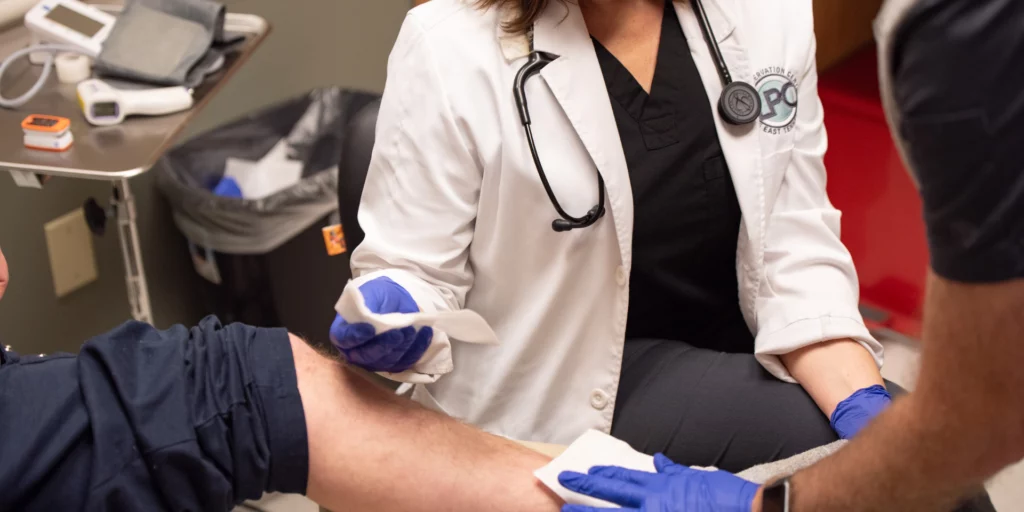
Chronic wounds are a significant medical concern for many individuals in Phoenix, especially those living with diabetes, poor circulation, or long-term health conditions. Unlike normal wounds, chronic wounds do not heal within the expected timeframe and often require specialized medical attention.
Advanced Wound Care in Phoenix focuses on treating wounds that are slow to heal by addressing the underlying medical causes and using modern treatment techniques designed to improve healing outcomes.
Advanced wound care refers to specialized medical treatment for wounds that do not respond to standard first-aid or basic care methods.
It is commonly used for:
The goal of Advanced Wound Care in Phoenix is not only to close the wound but also to treat the underlying reason it is not healing properly.
A wound is considered chronic when the normal healing process is disrupted or delayed.
If these issues are not managed, wounds may worsen over time instead of healing.
Medical attention is generally recommended when the following symptoms are present:
These symptoms may indicate the need for Advanced Wound Care in Phoenix.
Modern wound management includes several evidence-based treatment methods depending on wound type and severity.
This involves the removal of dead or infected tissue to support new tissue growth and reduce infection risk.
Antibiotics and antiseptic dressings are commonly used to control infection and prevent further complications.
Advanced dressings are designed to maintain a moist healing environment and protect the wound.
Examples include:
This therapy uses controlled suction to remove fluids and improve blood circulation to the wound area.
HBOT increases oxygen levels in the blood, which can enhance tissue repair and is often used for diabetic and chronic wounds.
In severe cases, bioengineered skin or grafting techniques may be used to support healing.
Improving blood flow is often necessary, especially in patients with diabetes or vascular disease.
| Treatment Type | Best Used For | Healing Support Level |
| Basic Wound Care | Minor wounds | Low |
| Antibiotics + Dressing | Mild infections | Moderate |
| Debridement | Dead tissue removal | High |
| NPWT (Vac Therapy) | Deep or large wounds | Very High |
| HBOT | Chronic diabetic wounds | Very High |
| Skin Grafts | Severe tissue loss | High |
Advanced wound care provides multiple clinical benefits, including:
These benefits make Advanced Wound Care in Phoenix an important option for chronic wound patients.
Advanced wound care is generally recommended for individuals with:
Early intervention is important to prevent worsening conditions.
Chronic wounds can often be prevented through proper care and lifestyle management.
Medical evaluation is recommended when:
Early diagnosis can significantly improve treatment outcomes.
Chronic wounds are increasingly common due to conditions such as diabetes and lifestyle-related diseases. Without proper treatment, these wounds can lead to serious complications.
Advanced wound care services in Phoenix focus on:
These factors contribute to improved healing outcomes for patients with complex wounds.
Chronic wounds require more than basic treatment approaches. When wounds fail to heal naturally, specialized care becomes necessary to prevent infection and long-term complications.
Advanced Wound Care in Phoenix plays an important role in managing complex wounds through modern treatment methods such as debridement, oxygen therapy, and advanced dressings. Early medical attention can significantly improve healing speed and reduce health risks.
It refers to specialized medical treatment for wounds that do not heal with standard care, using advanced techniques to improve healing.
Common reasons include diabetes, poor circulation, infection, pressure, and weak immunity.
Treatments like debridement, NPWT, and hyperbaric oxygen therapy are commonly used based on patient condition.
Healing time varies depending on severity, overall health, and treatment method used.
If a wound does not improve within 2–4 weeks or shows infection signs, it should be evaluated by a specialist.


Leave a comment