- (480) 788-5621
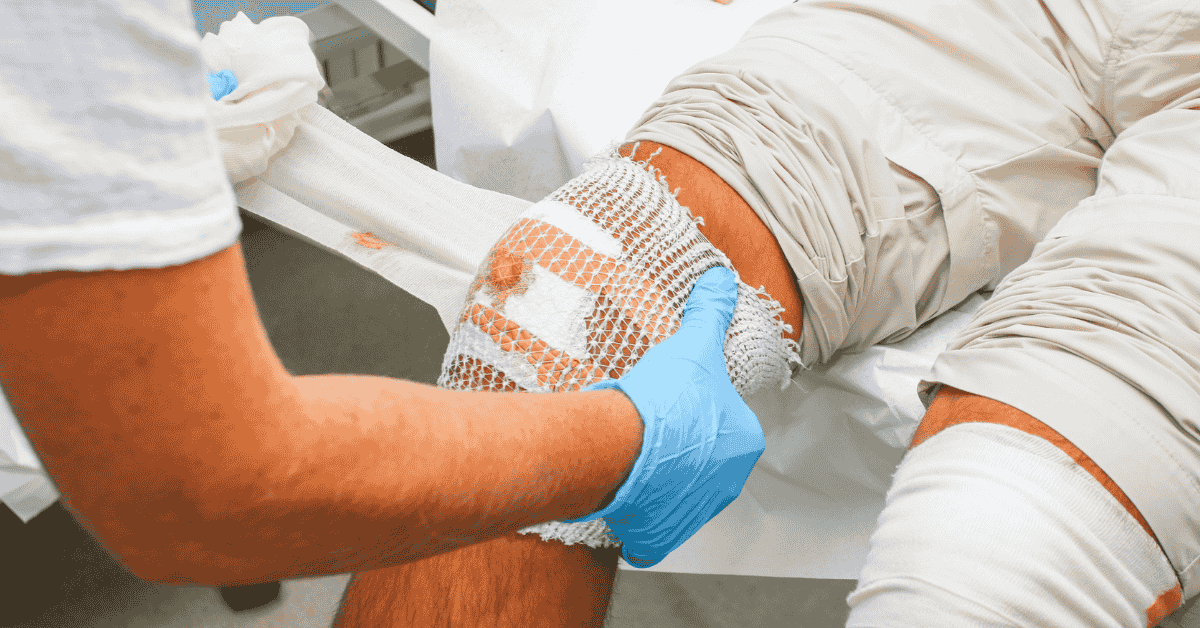
Chronic wounds don’t just affect the body—they can also take a significant emotional and psychological toll. Living with a wound that won’t heal can lead to frustration, anxiety, and a reduced quality of life.
At Bellagio Wound Care, care goes beyond physical treatment. Specialists understand that emotional well-being plays an important role in the healing process.
Patients with chronic wounds often experience a range of emotional challenges.
When a wound doesn’t heal as expected, it can feel discouraging. Patients may feel like they are doing everything right but still not seeing progress.
Chronic wounds can raise concerns about infection, complications, or long-term health risks. This uncertainty can lead to ongoing anxiety.
Some patients feel self-conscious about their wounds, especially if they are visible or require frequent care. This can lead to reduced social interaction.
Stress doesn’t just affect mental health—it can also impact physical healing.
High stress levels can:
This creates a cycle where emotional distress can contribute to delayed healing.
Emotional support is an essential part of managing chronic wounds.
Patients may benefit from:
Understanding the healing process can reduce anxiety and help patients feel more in control.
At Bellagio Wound Care, treatment plans consider both physical and emotional factors.
Specialists focus on:
Healing is not always a straight path, and setbacks can happen. However, with the right support and medical care, many patients successfully recover from chronic wounds.
Focusing on both physical and emotional health can make the healing journey more manageable and improve overall outcomes.
If you’re struggling with a chronic wound, it’s important to know that help is available. Professional care can address both the medical and emotional challenges of healing, helping you move forward with confidence.
[/vc_column_text][vc_empty_space][vc_row_inner css=”.vc_custom_1725296912228{background-color: #f4f4f4 !important;border-radius: 5px !important;}”][vc_column_inner][vc_custom_heading text=”REQUEST APPOINTMENT” font_container=”tag:h2|font_size:29|text_align:left|color:%23346fcc|line_height:1.1″ use_theme_fonts=”yes”][vc_raw_html]JTVCZm9ybWluYXRvcl9mb3JtJTIwaWQlM0QlMjIzNDElMjIlNUQ=[/vc_raw_html][/vc_column_inner][/vc_row_inner][vc_empty_space][vc_custom_heading text=”Follow us on social media!” font_container=”tag:h1|font_size:24|text_align:center|color:%23346fcc” google_fonts=”font_family:Maven%20Pro%3Aregular%2C500%2C700%2C900|font_style:700%20bold%20regular%3A700%3Anormal” el_class=”landing-title”][vc_icon icon_fontawesome=”fab fa-facebook-f” color=”custom” align=”center” custom_color=”#346fcc” link=”url:https%3A%2F%2Fwww.facebook.com%2Fprofile.php%3Fid%3D61564446365603|target:_blank”][vc_icon icon_fontawesome=”fab fa-youtube” color=”custom” align=”center” custom_color=”#346fcc” link=”url:http%3A%2F%2Fwww.youtube.com%2F%40BellagioWoundCare|target:_blank”][vc_empty_space][/vc_column][/vc_row][vc_row full_width=”stretch_row” gap=”35″ css=”.vc_custom_1725294463348{background-color: #ffffff !important;}”][vc_column width=”2/3″ offset=”vc_hidden-xs”][vc_column_text css=”.vc_custom_1775752664887{margin-bottom: 0px !important;border-bottom-width: 0px !important;padding-bottom: 0px !important;}”]Chronic wounds don’t just affect the body—they can also take a significant emotional and psychological toll. Living with a wound that won’t heal can lead to frustration, anxiety, and a reduced quality of life.
At Bellagio Wound Care, care goes beyond physical treatment. Specialists understand that emotional well-being plays an important role in the healing process.
Patients with chronic wounds often experience a range of emotional challenges.
When a wound doesn’t heal as expected, it can feel discouraging. Patients may feel like they are doing everything right but still not seeing progress.
Chronic wounds can raise concerns about infection, complications, or long-term health risks. This uncertainty can lead to ongoing anxiety.
Some patients feel self-conscious about their wounds, especially if they are visible or require frequent care. This can lead to reduced social interaction.
Stress doesn’t just affect mental health—it can also impact physical healing.
High stress levels can:
This creates a cycle where emotional distress can contribute to delayed healing.
Emotional support is an essential part of managing chronic wounds.
Patients may benefit from:
Understanding the healing process can reduce anxiety and help patients feel more in control.
At Bellagio Wound Care, treatment plans consider both physical and emotional factors.
Specialists focus on:
Healing is not always a straight path, and setbacks can happen. However, with the right support and medical care, many patients successfully recover from chronic wounds.
Focusing on both physical and emotional health can make the healing journey more manageable and improve overall outcomes.
If you’re struggling with a chronic wound, it’s important to know that help is available. Professional care can address both the medical and emotional challenges of healing, helping you move forward with confidence.


Leave a comment