Chronic wounds, such as diabetic ulcers, pressure sores, and venous leg ulcers, often fail to heal with traditional treatments alone. These hard-to-heal wounds require more than just basic wound dressings and antibiotics. Advanced wound care therapies have transformed the way healthcare providers approach complex wounds, improving healing outcomes and reducing complications.
Let’s explore the cutting-edge therapies that are making a difference in wound care today.
Understanding Hard-to-Heal Wounds
A wound is considered chronic if it doesn’t show signs of healing within four weeks. Several factors can contribute to slow or stalled wound healing, including:
•Poor circulation (common in diabetes, peripheral artery disease, and venous insufficiency)
•Infection that prevents new tissue formation
•Pressure and friction (especially in immobile patients)
•Chronic inflammation that interferes with the body’s healing process
•Underlying conditions such as diabetes, kidney disease, or malnutrition
When a wound isn’t healing, standard treatments alone may not be enough. This is where advanced therapies come in.
Negative Pressure Wound Therapy (NPWT)
Also known as vacuum-assisted closure (VAC) therapy, NPWT uses a controlled vacuum to help close wounds and promote healing. A specialized dressing is applied over the wound, and a vacuum device removes excess fluid, reduces swelling, and encourages new tissue growth.
Benefits of NPWT:
•Reduces infection risk by removing bacteria-laden fluids
•Promotes better blood circulation to the wound
•Encourages faster tissue regeneration
•Helps close deep or large wounds more effectively
NPWT is commonly used for surgical wounds, pressure ulcers, diabetic foot ulcers, and traumatic injuries.
Hyperbaric Oxygen Therapy (HBOT)
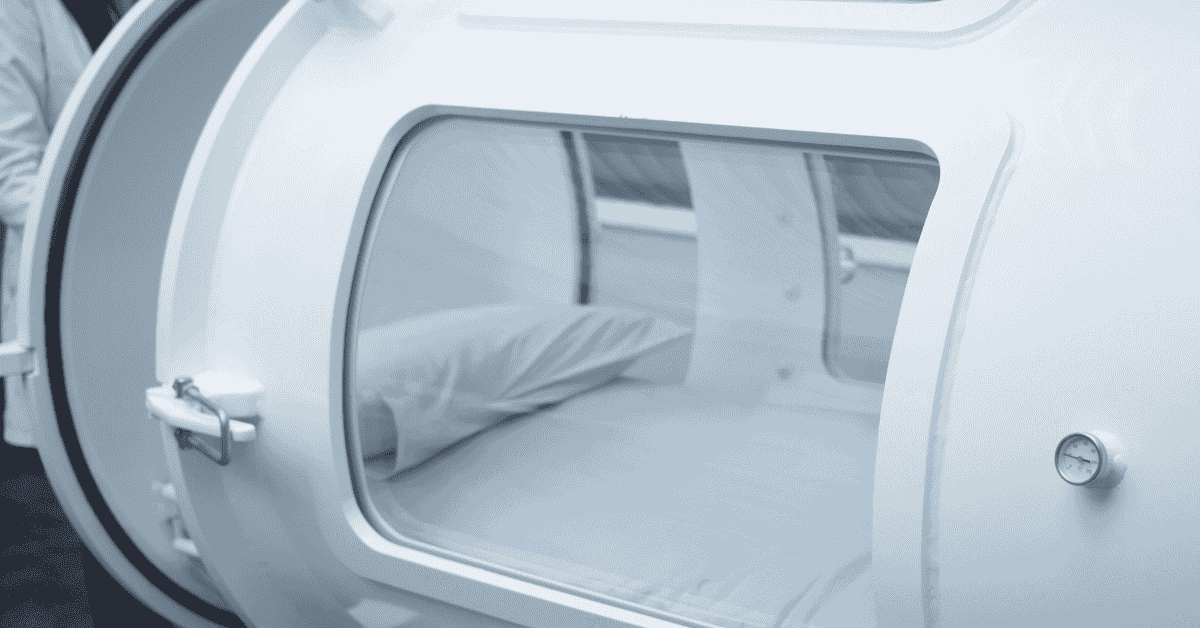
Oxygen is essential for wound healing, and Hyperbaric Oxygen Therapy (HBOT) enhances this process by delivering 100% oxygen in a pressurized chamber. This therapy increases the amount of oxygen in the blood, allowing oxygen to reach tissues that are struggling to heal.
Benefits of HBOT:
•Stimulates the growth of new blood vessels
•Reduces inflammation and swelling
•Helps the body fight infections more effectively
•Enhances collagen production for stronger wound closure
HBOT is particularly effective for diabetic ulcers, radiation-induced wounds, and wounds with poor circulation.
Bioengineered Skin Substitutes
For patients with severe wounds that have lost significant skin tissue, bioengineered skin substitutes provide an innovative solution. These grafts, made from living cells, collagen, or synthetic materials, help cover wounds and stimulate healing.
Types of bioengineered skin substitutes include:
•Allografts (donor-derived skin)
•Xenografts (derived from animal sources, like pig skin)
•Synthetic skin substitutes (engineered from biocompatible materials)
These grafts act as a scaffold for new tissue growth, speeding up healing and reducing complications in chronic wounds.
Growth Factor Therapy
Growth factors are proteins that play a crucial role in cell regeneration and wound healing. In some chronic wounds, natural growth factor production is impaired. Topical application of growth factors can jumpstart the healing process by promoting new tissue and blood vessel formation.
Commonly used growth factors include:
• Platelet-derived growth factors (PDGFs)
• Epidermal growth factors (EGFs)
• Fibroblast growth factors (FGFs)
These therapies are particularly beneficial for diabetic foot ulcers and pressure sores.
Platelet-Rich Plasma (PRP) Therapy
PRP therapy harnesses the body’s natural healing power by using a patient’s own blood to accelerate wound repair. The process involves:
1.Drawing a small amount of blood from the patient
2.Spinning the blood in a centrifuge to separate the platelet-rich plasma
3.Injecting or applying the concentrated platelets to the wound site
PRP contains high levels of growth factors, which help stimulate cell regeneration and tissue repair.
Stem Cell Therapy
Stem cell therapy is an emerging field in wound care, offering the potential for regenerating damaged tissue. Stem cells have the unique ability to develop into different types of cells needed for healing.
Some promising applications include:
• Injecting stem cells into chronic wounds to promote tissue growth
•Using stem cell-derived products to enhance wound healing in diabetic patients
• Combining stem cells with bioengineered grafts for more effective skin regeneration
Although still in the research phase for many applications, stem cell therapy holds great promise for patients with hard-to-heal wounds.
Electrical Stimulation Therapy
Electrical stimulation has been used in physical therapy for years, but research has shown it can also speed up wound healing. This therapy delivers controlled electrical currents to the wound area, stimulating cellular activity and increasing blood flow.
How it helps:
•Promotes the movement of healing cells to the wound site
•Encourages collagen production
•Reduces pain and inflammation
This treatment is gaining popularity for diabetic ulcers and pressure sores.
When to Seek Advanced Wound Care
If a wound hasn’t improved within four weeks, it may require specialized treatment. Signs that advanced wound care is needed include:
•Persistent redness or swelling
•Increased pain or drainage
•Foul odor from the wound
•Dark or dead tissue around the wound edges
Ignoring a chronic wound can lead to serious complications, including infection, tissue loss, and even amputation in severe cases.
Advanced Care for Better Healing
Traditional wound care methods don’t always work for hard-to-heal wounds. Advanced therapies offer new hope, helping patients recover faster and avoid complications.
If you or a loved one is struggling with a slow-healing wound, specialized treatment can make all the difference. Bellagio Wound Care offers cutting-edge therapies tailored to your needs—schedule a consultation today and take the next step toward healing.
REQUEST APPOINTMENT
Follow us on social media!
Chronic wounds, such as diabetic ulcers, pressure sores, and venous leg ulcers, often fail to heal with traditional treatments alone. These hard-to-heal wounds require more than just basic wound dressings and antibiotics. Advanced wound care therapies have transformed the way healthcare providers approach complex wounds, improving healing outcomes and reducing complications.
Let’s explore the cutting-edge therapies that are making a difference in wound care today.
Understanding Hard-to-Heal Wounds
A wound is considered chronic if it doesn’t show signs of healing within four weeks. Several factors can contribute to slow or stalled wound healing, including:
•Poor circulation (common in diabetes, peripheral artery disease, and venous insufficiency)
•Infection that prevents new tissue formation
•Pressure and friction (especially in immobile patients)
•Chronic inflammation that interferes with the body’s healing process
•Underlying conditions such as diabetes, kidney disease, or malnutrition
When a wound isn’t healing, standard treatments alone may not be enough. This is where advanced therapies come in.
Negative Pressure Wound Therapy (NPWT)
Also known as vacuum-assisted closure (VAC) therapy, NPWT uses a controlled vacuum to help close wounds and promote healing. A specialized dressing is applied over the wound, and a vacuum device removes excess fluid, reduces swelling, and encourages new tissue growth.
Benefits of NPWT:
•Reduces infection risk by removing bacteria-laden fluids
•Promotes better blood circulation to the wound
•Encourages faster tissue regeneration
•Helps close deep or large wounds more effectively
NPWT is commonly used for surgical wounds, pressure ulcers, diabetic foot ulcers, and traumatic injuries.
Hyperbaric Oxygen Therapy (HBOT)
Oxygen is essential for wound healing, and Hyperbaric Oxygen Therapy (HBOT) enhances this process by delivering 100% oxygen in a pressurized chamber. This therapy increases the amount of oxygen in the blood, allowing oxygen to reach tissues that are struggling to heal.
Benefits of HBOT:
•Stimulates the growth of new blood vessels
•Reduces inflammation and swelling
•Helps the body fight infections more effectively
•Enhances collagen production for stronger wound closure
HBOT is particularly effective for diabetic ulcers, radiation-induced wounds, and wounds with poor circulation.
Bioengineered Skin Substitutes
For patients with severe wounds that have lost significant skin tissue, bioengineered skin substitutes provide an innovative solution. These grafts, made from living cells, collagen, or synthetic materials, help cover wounds and stimulate healing.
Types of bioengineered skin substitutes include:
•Allografts (donor-derived skin)
•Xenografts (derived from animal sources, like pig skin)
•Synthetic skin substitutes (engineered from biocompatible materials)
These grafts act as a scaffold for new tissue growth, speeding up healing and reducing complications in chronic wounds.
Growth Factor Therapy
Growth factors are proteins that play a crucial role in cell regeneration and wound healing. In some chronic wounds, natural growth factor production is impaired. Topical application of growth factors can jumpstart the healing process by promoting new tissue and blood vessel formation.
Commonly used growth factors include:
• Platelet-derived growth factors (PDGFs)
• Epidermal growth factors (EGFs)
• Fibroblast growth factors (FGFs)
These therapies are particularly beneficial for diabetic foot ulcers and pressure sores.
Platelet-Rich Plasma (PRP) Therapy
PRP therapy harnesses the body’s natural healing power by using a patient’s own blood to accelerate wound repair. The process involves:
1.Drawing a small amount of blood from the patient
2.Spinning the blood in a centrifuge to separate the platelet-rich plasma
3.Injecting or applying the concentrated platelets to the wound site
PRP contains high levels of growth factors, which help stimulate cell regeneration and tissue repair.
Stem Cell Therapy
Stem cell therapy is an emerging field in wound care, offering the potential for regenerating damaged tissue. Stem cells have the unique ability to develop into different types of cells needed for healing.
Some promising applications include:
• Injecting stem cells into chronic wounds to promote tissue growth
•Using stem cell-derived products to enhance wound healing in diabetic patients
• Combining stem cells with bioengineered grafts for more effective skin regeneration
Although still in the research phase for many applications, stem cell therapy holds great promise for patients with hard-to-heal wounds.
Electrical Stimulation Therapy
Electrical stimulation has been used in physical therapy for years, but research has shown it can also speed up wound healing. This therapy delivers controlled electrical currents to the wound area, stimulating cellular activity and increasing blood flow.
How it helps:
•Promotes the movement of healing cells to the wound site
•Encourages collagen production
•Reduces pain and inflammation
This treatment is gaining popularity for diabetic ulcers and pressure sores.
When to Seek Advanced Wound Care
If a wound hasn’t improved within four weeks, it may require specialized treatment. Signs that advanced wound care is needed include:
•Persistent redness or swelling
•Increased pain or drainage
•Foul odor from the wound
•Dark or dead tissue around the wound edges
Ignoring a chronic wound can lead to serious complications, including infection, tissue loss, and even amputation in severe cases.
Advanced Care for Better Healing
Traditional wound care methods don’t always work for hard-to-heal wounds. Advanced therapies offer new hope, helping patients recover faster and avoid complications.
If you or a loved one is struggling with a slow-healing wound, specialized treatment can make all the difference. Bellagio Wound Care offers cutting-edge therapies tailored to your needs—schedule a consultation today and take the next step toward healing.